Last updated: November 2026
Quick Answers
Who is responsible for maintaining a private road?
The owners who use it, not the local government, unless the road has been formally accepted by the city or county. When a road serves several parcels, a written road maintenance agreement spells out who pays for what.
What does a private road need that a driveway doesn't?
A thicker base, more width, and serious drainage. Private roads carry more traffic, longer spans, and often delivery trucks and equipment.
How long does a paved private road last?
A properly built private road can last 20 to 30 years with sealcoating every 2 to 3 years and prompt crack repair.
What Property Owners Need to Know Before Paving a Private Road
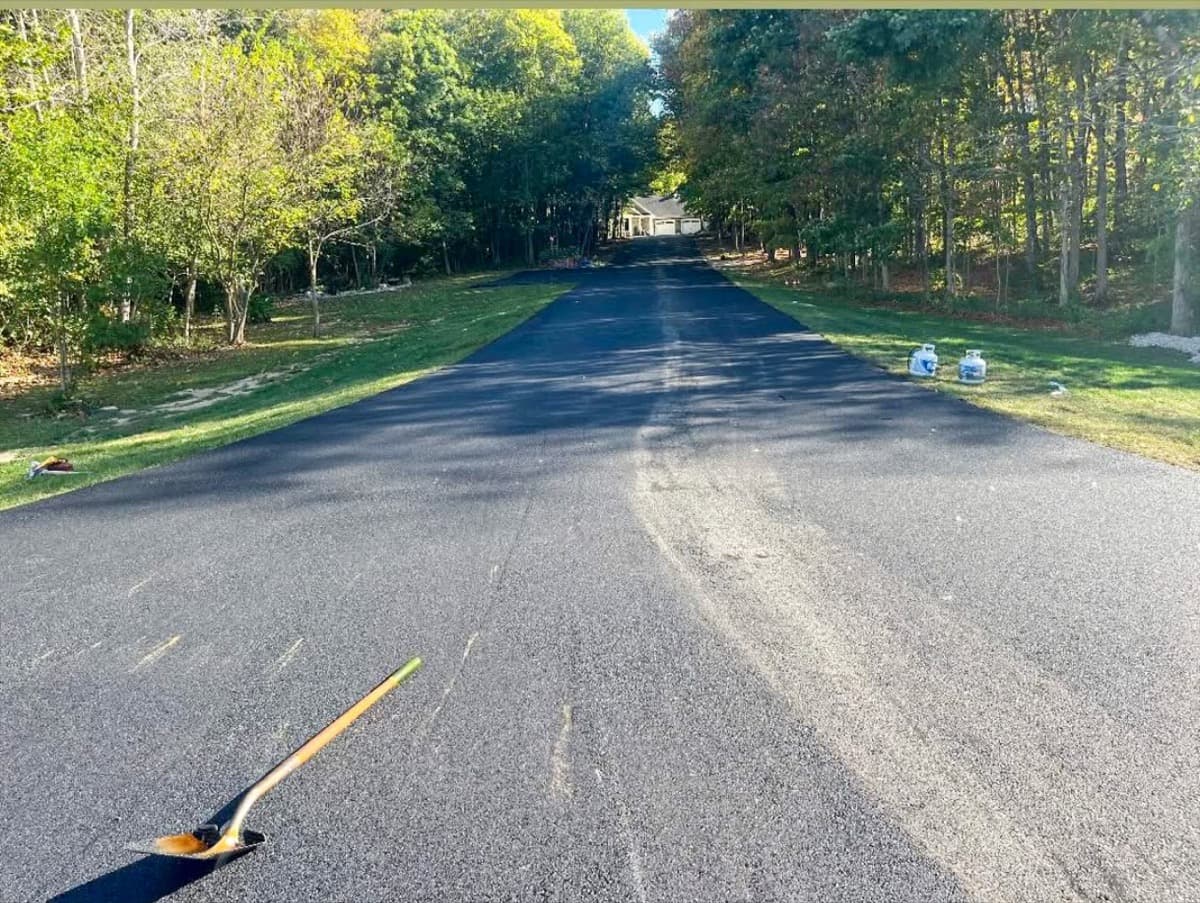
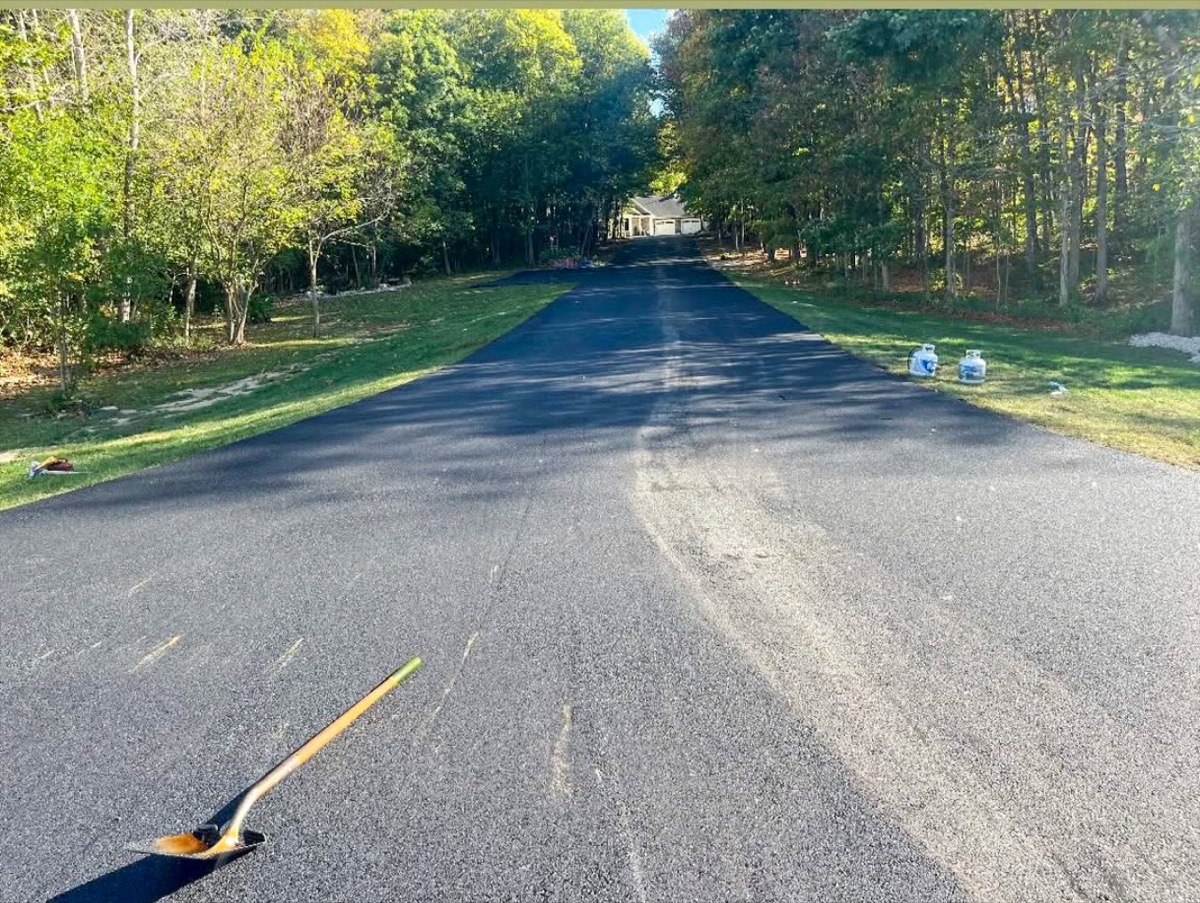
A private road is not a glorified driveway. Build it like one and it fails like one. All State Paving has served Gainesville and surrounding areas for 25 years, and the private roads that last are the ones built with the right base and drainage from day one.
Get Clear on Responsibility First
Before any paving starts, agree on who owns, pays for and maintains the road. If several households share it, a recorded road maintenance agreement is your best friend. It defines who shares the cost of paving, repairs and sealcoating, so there are no arguments later.
Build the Base for the Load
Asphalt is the wear surface. The base is the structure. Private roads typically need a compacted aggregate base of 6 to 10 inches, depending on soil and expected traffic. Soft ground or heavy trucks call for more.
Plan for Florida Rain
In Gainesville, drainage makes or breaks a private road. Summer storms can drop a lot of rain fast. The road needs a crown so water runs off, working ditches or swales, and culverts at low spots and crossings.
How Is a Private Road Built?
- Site visit and measurement. We walk the road, check soil and existing drainage, and measure for an accurate estimate.
- Grading and base prep. We shape the road, set the slope, and install and compact the aggregate base.
- Drainage work. Culverts, ditching and crossings go in before paving.
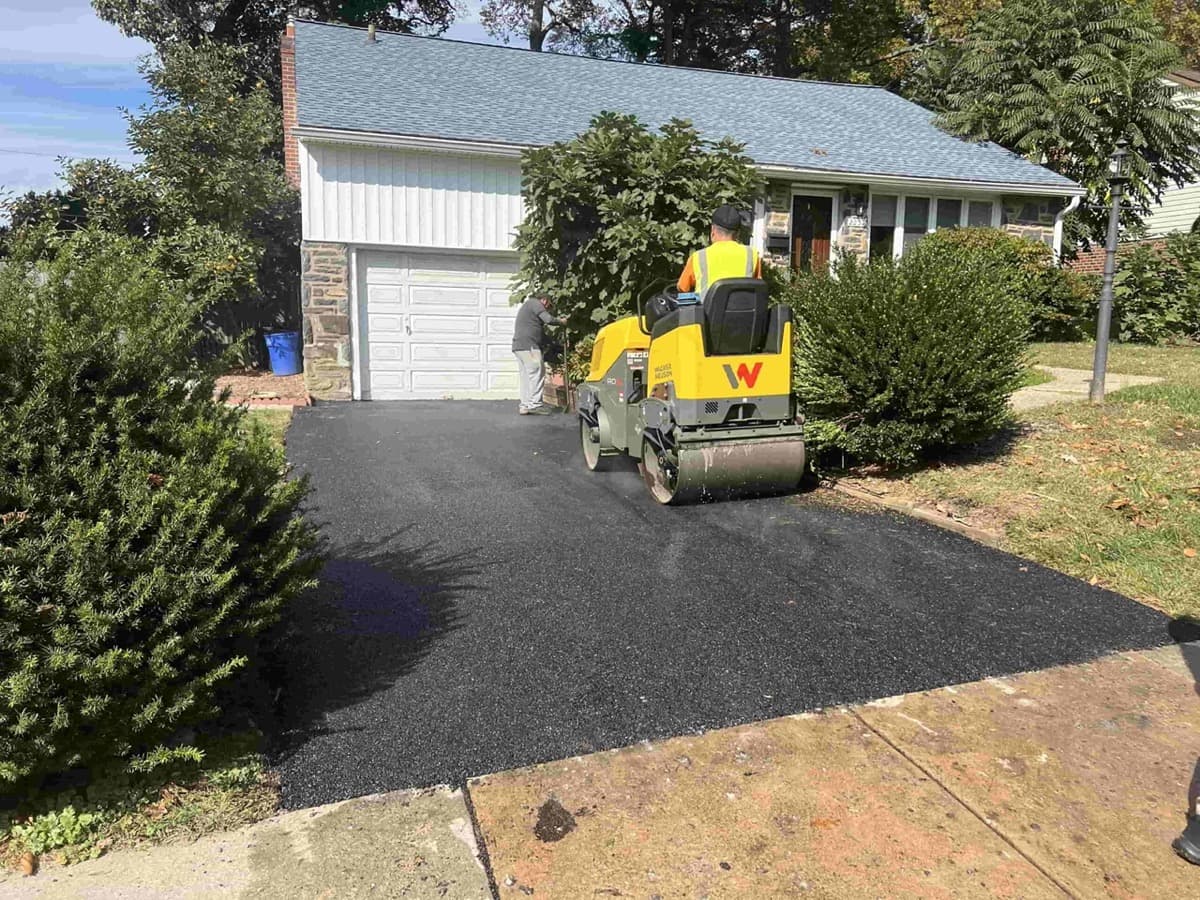
- Paving. Hot-mix asphalt laid in proper lifts and compacted while warm.
- Edges and cleanup. We finish the shoulders so the road sheds water and holds its edge.
Learn more about our private road paving services and farm lane paving services, or see our Gainesville service area page.
Frequently Asked Questions
How wide should a private road be?
For two cars to pass, plan 16 to 18 feet. We recommend 20 feet. Fire departments often require 18 to 20 feet for emergency access.
How long does a paved private road last?
20 to 30 years with a proper base, good drainage and regular maintenance.
Is asphalt or gravel better for a private road?
Gravel costs less up front but washes out, ruts and needs regrading. Asphalt sheds water and holds its shape with far less upkeep.
When is the best time to pave a private road in Gainesville?
The drier months from late fall through spring, when the base is firm and rain delays are fewer.
How do I keep my private road from failing early?
Control water and stay ahead of small problems. Keep ditches and culverts clear, sealcoat every 2 to 3 years, and fill cracks as soon as they appear. We also handle asphalt repair and sealcoating.
Planning a private road? Contact All State Paving or call 1-800-568-9954 or 352-581-5301 for a free estimate in Gainesville and surrounding areas.
Need Paving Services?
Contact All State Paving today for a free estimate on your project.
Recent Posts
- Asphalt Patching in Gainesville: Which Patch Actually Lasts?November 21, 2026
- How Wide Should an Asphalt Driveway Be?November 18, 2026
- How Thick Should an Asphalt Driveway Be in Florida?November 14, 2026
- Is an Asphalt Overlay Right for Your Gainesville Driveway or Lot?November 11, 2026
- ADA Parking Lot Striping in Florida: Requirements, Layout and ComplianceAugust 3, 2026
- Private Road Paving in Florida: A Property Owner's GuideJuly 27, 2026
- How Often Should You Sealcoat Asphalt in Florida? A Contractor's ScheduleJuly 20, 2026
- Asphalt vs. Concrete Driveways in Florida: Which Is Better?July 13, 2026
- Best Time to Pave Asphalt in Florida: Season and Weather GuideJuly 6, 2026
- Asphalt Paving in Gainesville, FL: Timeline and What to ExpectJune 29, 2026
- What Does Parking Lot Paving Cost in Gainesville?June 22, 2026
- 5 Benefits of Asphalt Paving for Gainesville Property OwnersMarch 15, 2026
- Asphalt Repair vs. Replacement: How to Know Which Your Pavement NeedsFebruary 28, 2026
- Asphalt Maintenance in Florida: Sun, Rain and Hurricane Season CareJanuary 10, 2026
- Commercial Paving in Gainesville: A Business Owner's GuideDecember 5, 2025
- Why Is Sealcoating So Important for Florida Asphalt?November 20, 2025
- How to Choose the Right Paving Contractor in GainesvilleOctober 12, 2025