Last updated: November 2026
Quick Answers
How often should you sealcoat asphalt in Florida?
Every 2 to 3 years for most surfaces. Driveways with light use can go about 3 years. Busy parking lots, private roads and surfaces in full sun usually need it every 2 to 3 years.
When is the best time of year to sealcoat in Gainesville?
Sealcoat needs daytime temperatures above 50°F and dry weather to cure. In Gainesville, that's most of the year. The drier months from late fall through spring are easiest to schedule, because summer afternoon storms can wash out fresh sealcoat.
Does sealcoating actually extend asphalt life?
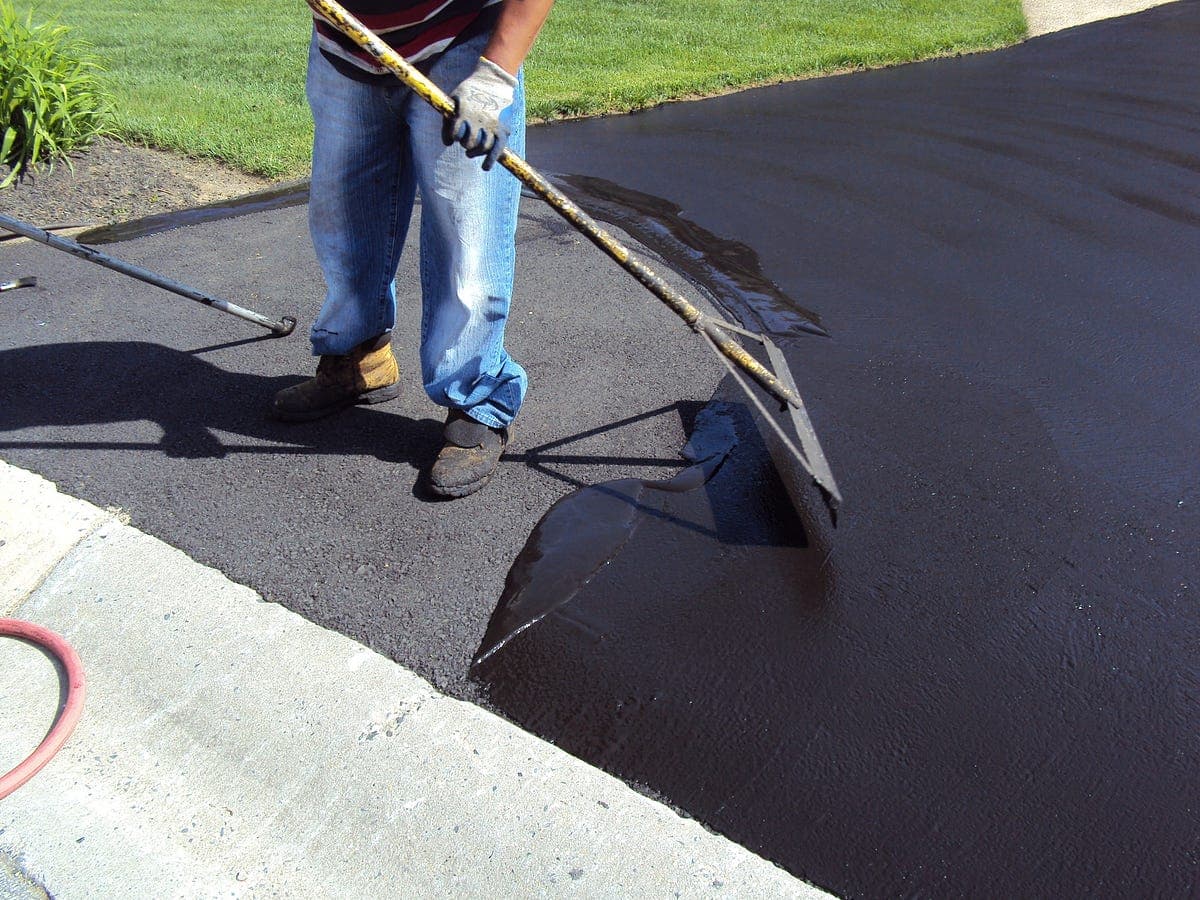
Yes. Sealcoat keeps water and sun from breaking down the binder that holds asphalt together. It's the cheapest way to protect the pavement you already paid for.
A Gainesville Contractor's Sealcoating Schedule
All State Paving has served Gainesville and surrounding areas for 25 years. Sealcoating isn't one-size-fits-all. The right schedule depends on what the surface is, how hard it's used, and how much sun and rain it takes.
- •Residential driveways: every 3 years is plenty for most homes. If you park heavy trucks or the driveway gets full sun all day, lean toward 2 to 3. See our driveway paving services.
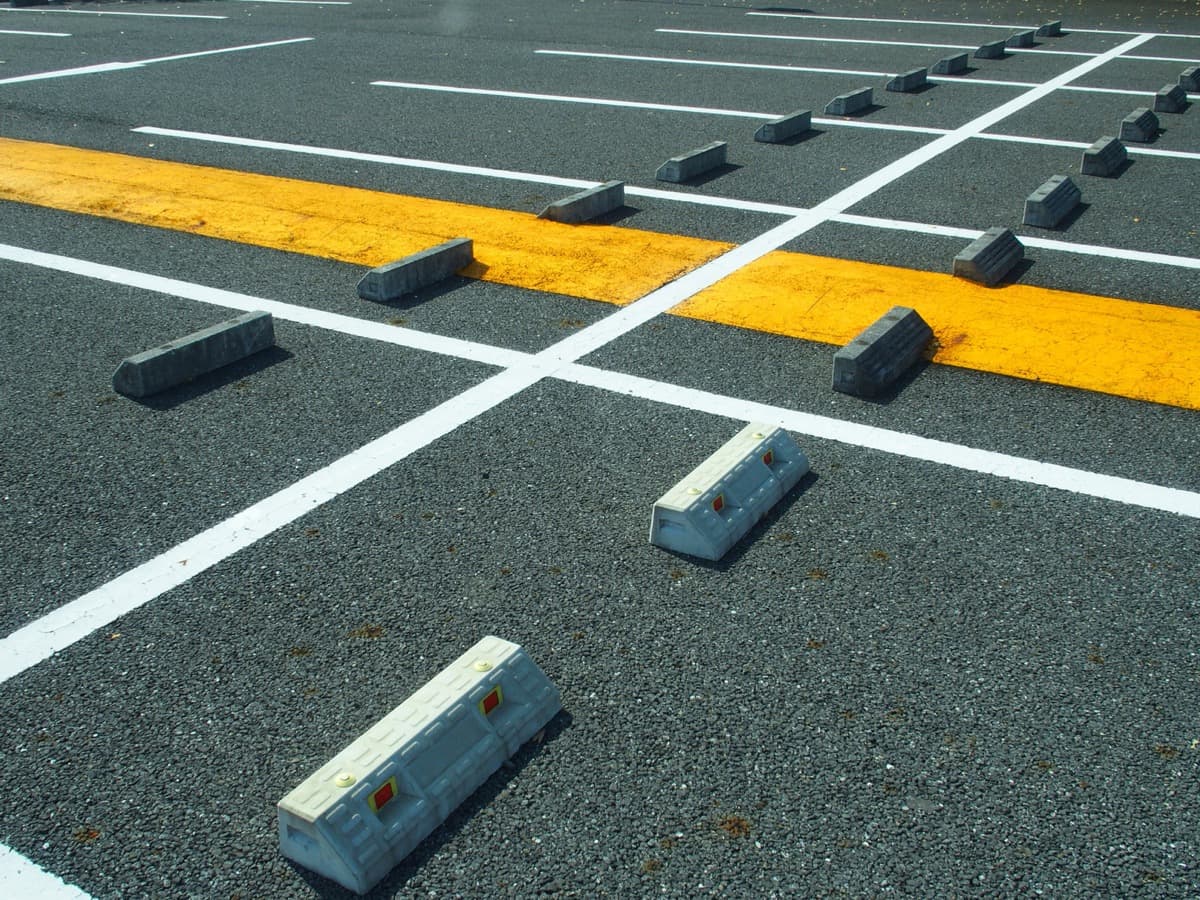
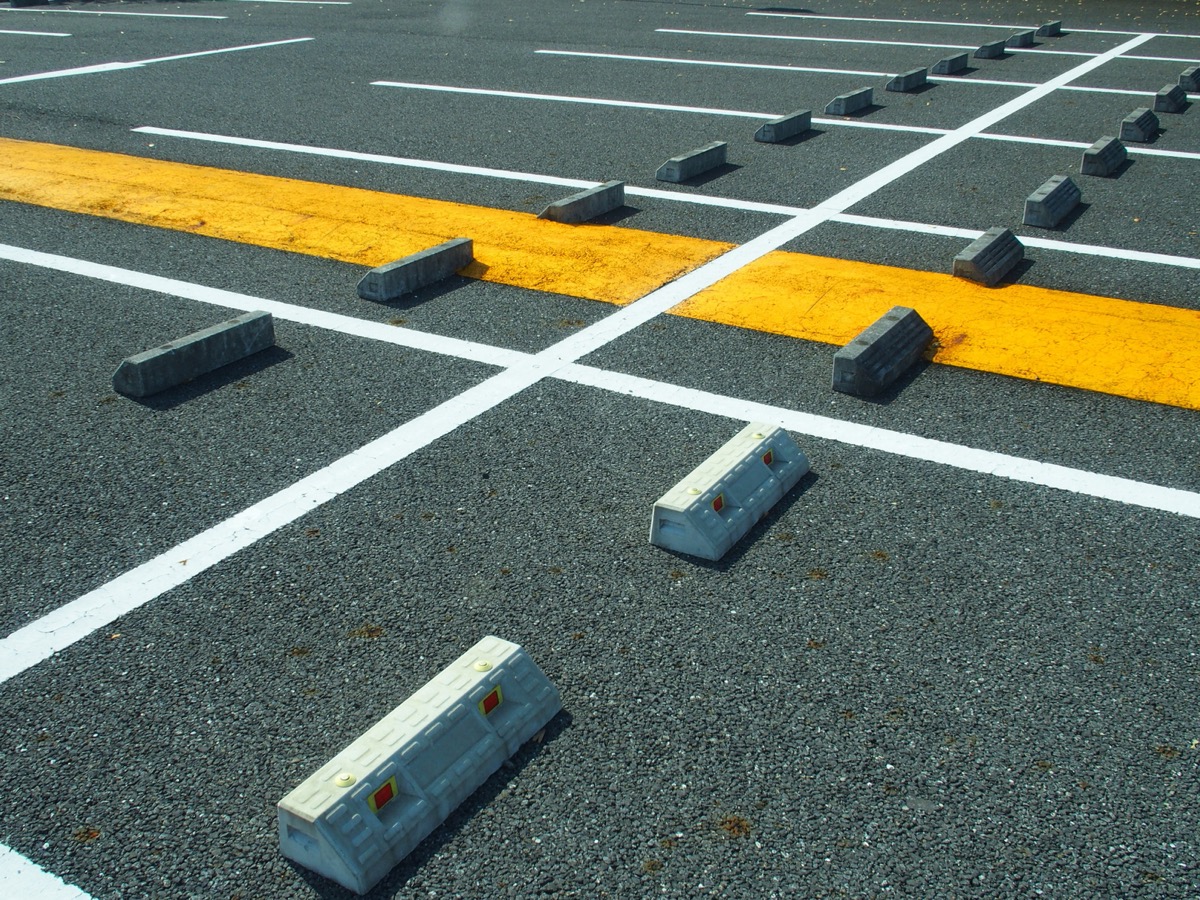
- •Commercial parking lots: every 2 to 3 years. Constant traffic, turning tires and oil drips wear the surface faster. Pair it with regular line striping.
- •Private roads and farm lanes: every 2 to 3 years, sometimes sooner where heavy equipment runs. Watch for raveling at the edges.
- •Brand-new asphalt: don't rush it. Let new pavement cure 6 to 12 months before the first coat so the oils can set up properly.
Why Florida Sun and Rain Make Sealcoating Important
Strong sun dries out the asphalt binder over time. The surface turns gray, gets brittle, and small cracks open up. Then summer storms push water into those cracks and soften the base. Sealcoat blocks both: it shields the surface from sun and keeps water from soaking in. The National Asphalt Pavement Association has more background on protecting asphalt.
Four Signs It's Time to Sealcoat
- Color fading. Fresh asphalt is deep black. Gray and dull means the sun has been working on it.
- Hairline cracks. Small surface cracks let water in. Seal them before they spread.
- Water no longer beading. When the surface stops shedding water, the old seal is spent.
- Rough, rocky texture. Loose stone underfoot means the binder is wearing away.
Learn more about our sealcoating services, or see our Gainesville service area page.
Frequently Asked Questions
Is it cheaper to sealcoat or repave?
Sealcoating, by a wide margin. Regular sealcoating is what keeps you from needing to repave early.
Can you sealcoat when it might rain?
No. Sealcoat needs dry pavement and dry time to cure. Rain on fresh sealcoat can wash it out. We schedule around the forecast.
How long after new asphalt can I sealcoat?
Wait 6 to 12 months. Fresh asphalt needs time to cure and release its surface oils first.
What's the difference between sealcoating and crack filling?
Crack filling seals individual cracks. Sealcoating covers the whole surface. We almost always crack-fill first, then sealcoat.
Does sealcoating fix potholes or major cracks?
No. Those need repairs first. See our asphalt repair services.
Ready to protect your pavement? Contact All State Paving or call 1-800-568-9954 or 352-581-5301 for a free estimate in Gainesville and surrounding areas.
Need Paving Services?
Contact All State Paving today for a free estimate on your project.
Recent Posts
- Asphalt Patching in Gainesville: Which Patch Actually Lasts?November 21, 2026
- How Wide Should an Asphalt Driveway Be?November 18, 2026
- How Thick Should an Asphalt Driveway Be in Florida?November 14, 2026
- Is an Asphalt Overlay Right for Your Gainesville Driveway or Lot?November 11, 2026
- ADA Parking Lot Striping in Florida: Requirements, Layout and ComplianceAugust 3, 2026
- Private Road Paving in Florida: A Property Owner's GuideJuly 27, 2026
- How Often Should You Sealcoat Asphalt in Florida? A Contractor's ScheduleJuly 20, 2026
- Asphalt vs. Concrete Driveways in Florida: Which Is Better?July 13, 2026
- Best Time to Pave Asphalt in Florida: Season and Weather GuideJuly 6, 2026
- Asphalt Paving in Gainesville, FL: Timeline and What to ExpectJune 29, 2026
- What Does Parking Lot Paving Cost in Gainesville?June 22, 2026
- 5 Benefits of Asphalt Paving for Gainesville Property OwnersMarch 15, 2026
- Asphalt Repair vs. Replacement: How to Know Which Your Pavement NeedsFebruary 28, 2026
- Asphalt Maintenance in Florida: Sun, Rain and Hurricane Season CareJanuary 10, 2026
- Commercial Paving in Gainesville: A Business Owner's GuideDecember 5, 2025
- Why Is Sealcoating So Important for Florida Asphalt?November 20, 2025
- How to Choose the Right Paving Contractor in GainesvilleOctober 12, 2025