Last updated: November 2026
Quick Answers
How thick should an asphalt driveway be?
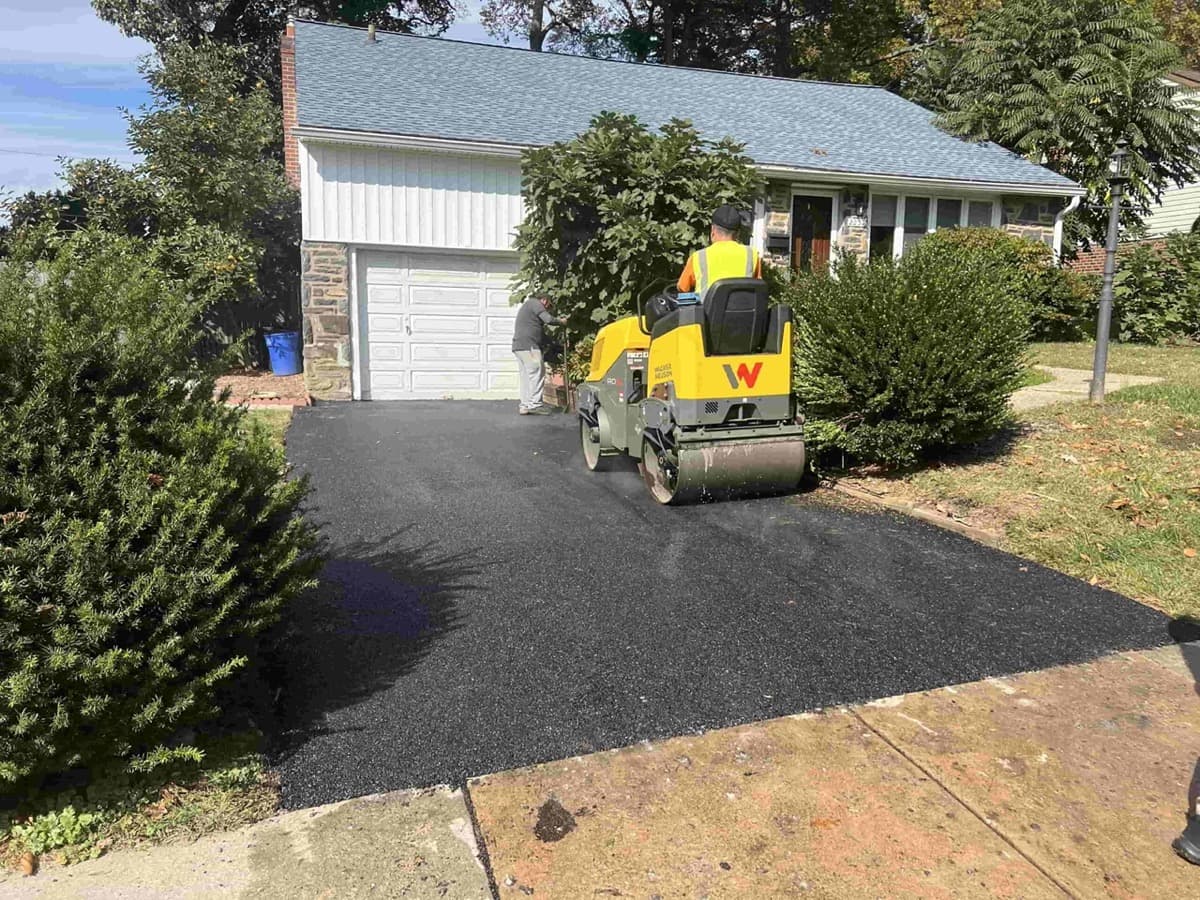
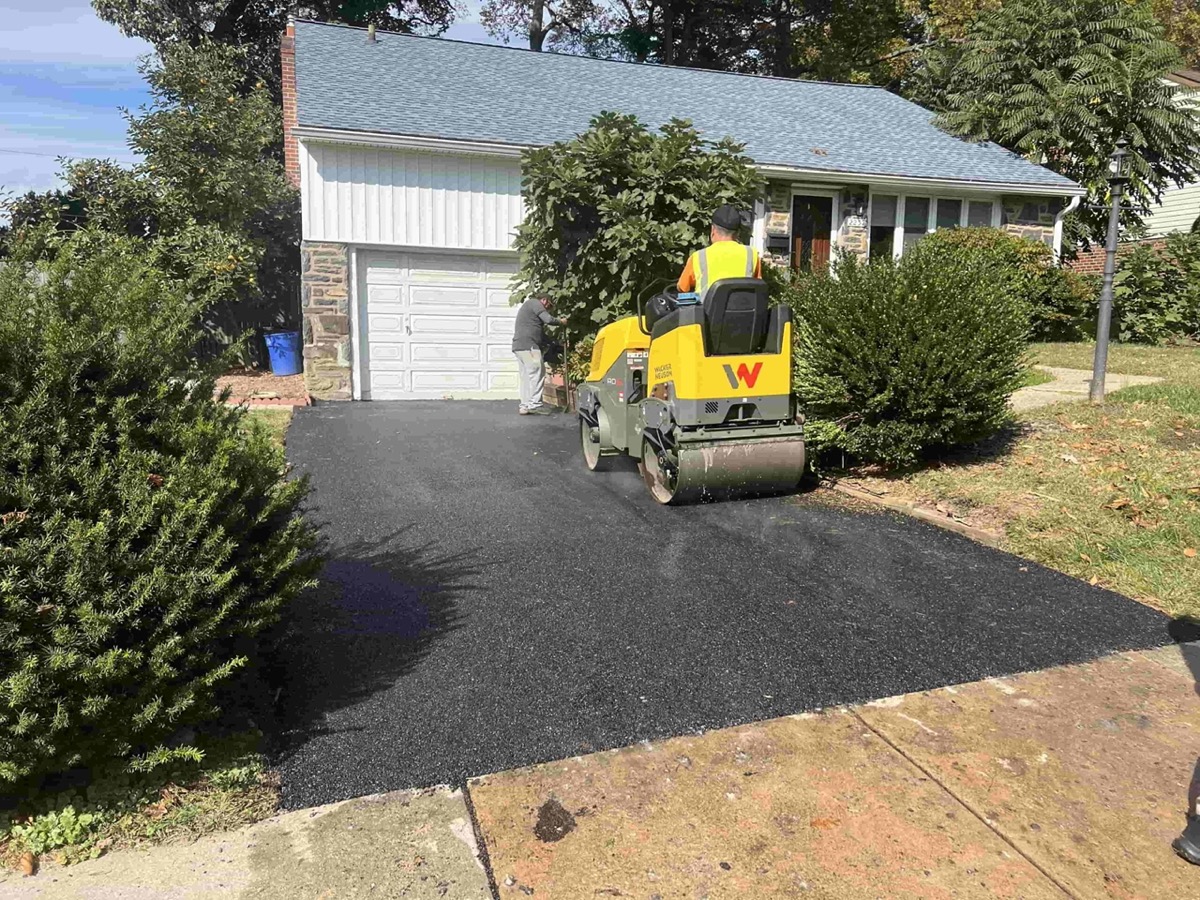
A standard residential driveway needs 2 to 3 inches of hot-mix asphalt over a 4 to 6 inch compacted stone base. If RVs, box trucks or equipment use the driveway, both layers get thicker.
Which layer matters more, the asphalt or the base?
The base. The asphalt is the surface you see, but the base carries the weight. A thick layer of asphalt on a thin or soft base will still crack and sink.
How thick should commercial and farm pavement be?
Commercial lots typically get 2 to 3 inches of asphalt over 6 to 8 inches of base, and 3 to 4 inches over 8 to 10 inches in high-stress zones. Farm lanes built for heavy trucks call for 3 to 4 inches of asphalt over 8 to 10 inches of base.
Why Does Thickness Matter So Much in Florida?
In Gainesville, the base has to stay firm through a summer of heavy rain. A thin base soaks up water faster, softens, and lets the asphalt flex under every car. That's what leads to ruts, sunken spots and alligator cracking. A properly built base, graded to drain, keeps the pavement solid for decades.
All State Paving has served Gainesville and surrounding areas for 25 years, and we don't cut corners on base and drainage.
What Thickness Do Different Projects Need?
| Project | Hot-mix asphalt | Compacted base |
|---|---|---|
| Residential driveway | 2–3 inches | 4–6 inches |
| Driveway for RVs, box trucks or equipment | Thicker | Thicker |
| Commercial parking lot | 2–3 inches | 6–8 inches |
| Commercial high-stress zones | 3–4 inches | 8–10 inches |
| Farm lane for heavy trucks | 3–4 inches | 8–10 inches |
These are the specs we build to on our driveway paving, commercial paving and farm lane paving projects.
How Is the Base Built?
- Dig out soft soil, roots and anything that will rot or settle.
- Grade the ground so water drains away from the home and garage.
- Spread stone in layers.
- Compact each layer so it won't settle later.
- Pave with hot-mix asphalt and roll it while it's hot.
In Florida, the grading step is critical. A base that holds water won't last no matter how thick it is.
What Questions Should You Ask When Comparing Quotes?
- •How thick is the asphalt, after it's compacted?
- •How deep is the stone base, and will it be compacted in layers?
- •How will water drain off the driveway?
- •What happens to soft spots found during the job?
If a quote doesn't list thickness, ask for it in writing. Our residential paving estimates spell it out. For more on how pavement is designed, see the National Asphalt Pavement Association.
When Is a Good Time to Pave in Gainesville?
Most of the year. The drier months from late fall through spring are the easiest to schedule, because the base needs to be dry and firm. Summer paving works with early starts around afternoon storms. See our Gainesville service area page.
Frequently Asked Questions
Is 2 inches of asphalt enough for a driveway?
For cars and light trucks on a solid 4 to 6 inch base, 2 to 3 inches is standard.
Do I need a thicker driveway for an RV or work truck?
Yes. Heavier vehicles raise both the asphalt and base thickness. Tell your contractor about any RV, trailer, box truck or equipment before they quote.
Can you add thickness to my existing driveway?
An overlay adds a new layer on top, but only works if the base underneath is solid.
Why does my driveway have ruts or sunken spots?
Usually a thin, soft or wet base.
How long will a properly built driveway last?
Typically 25 to 30 years with regular sealcoating and crack sealing.
Want a driveway built to last? Contact All State Paving or call 1-800-568-9954 or 352-581-5301 for a free estimate in Gainesville and surrounding areas.
Need Paving Services?
Contact All State Paving today for a free estimate on your project.
Recent Posts
- Asphalt Patching in Gainesville: Which Patch Actually Lasts?November 21, 2026
- How Wide Should an Asphalt Driveway Be?November 18, 2026
- How Thick Should an Asphalt Driveway Be in Florida?November 14, 2026
- Is an Asphalt Overlay Right for Your Gainesville Driveway or Lot?November 11, 2026
- ADA Parking Lot Striping in Florida: Requirements, Layout and ComplianceAugust 3, 2026
- Private Road Paving in Florida: A Property Owner's GuideJuly 27, 2026
- How Often Should You Sealcoat Asphalt in Florida? A Contractor's ScheduleJuly 20, 2026
- Asphalt vs. Concrete Driveways in Florida: Which Is Better?July 13, 2026
- Best Time to Pave Asphalt in Florida: Season and Weather GuideJuly 6, 2026
- Asphalt Paving in Gainesville, FL: Timeline and What to ExpectJune 29, 2026
- What Does Parking Lot Paving Cost in Gainesville?June 22, 2026
- 5 Benefits of Asphalt Paving for Gainesville Property OwnersMarch 15, 2026
- Asphalt Repair vs. Replacement: How to Know Which Your Pavement NeedsFebruary 28, 2026
- Asphalt Maintenance in Florida: Sun, Rain and Hurricane Season CareJanuary 10, 2026
- Commercial Paving in Gainesville: A Business Owner's GuideDecember 5, 2025
- Why Is Sealcoating So Important for Florida Asphalt?November 20, 2025
- How to Choose the Right Paving Contractor in GainesvilleOctober 12, 2025