Last updated: November 2026
Quick Answers
Is asphalt or concrete better for a driveway in Florida?
For most Gainesville homeowners, asphalt is the better value. It costs less to install, is ready to drive on in a day or two, and is easy to repair. Concrete lasts longer but costs more up front and is harder to repair once it cracks.
Which is cheaper to install?
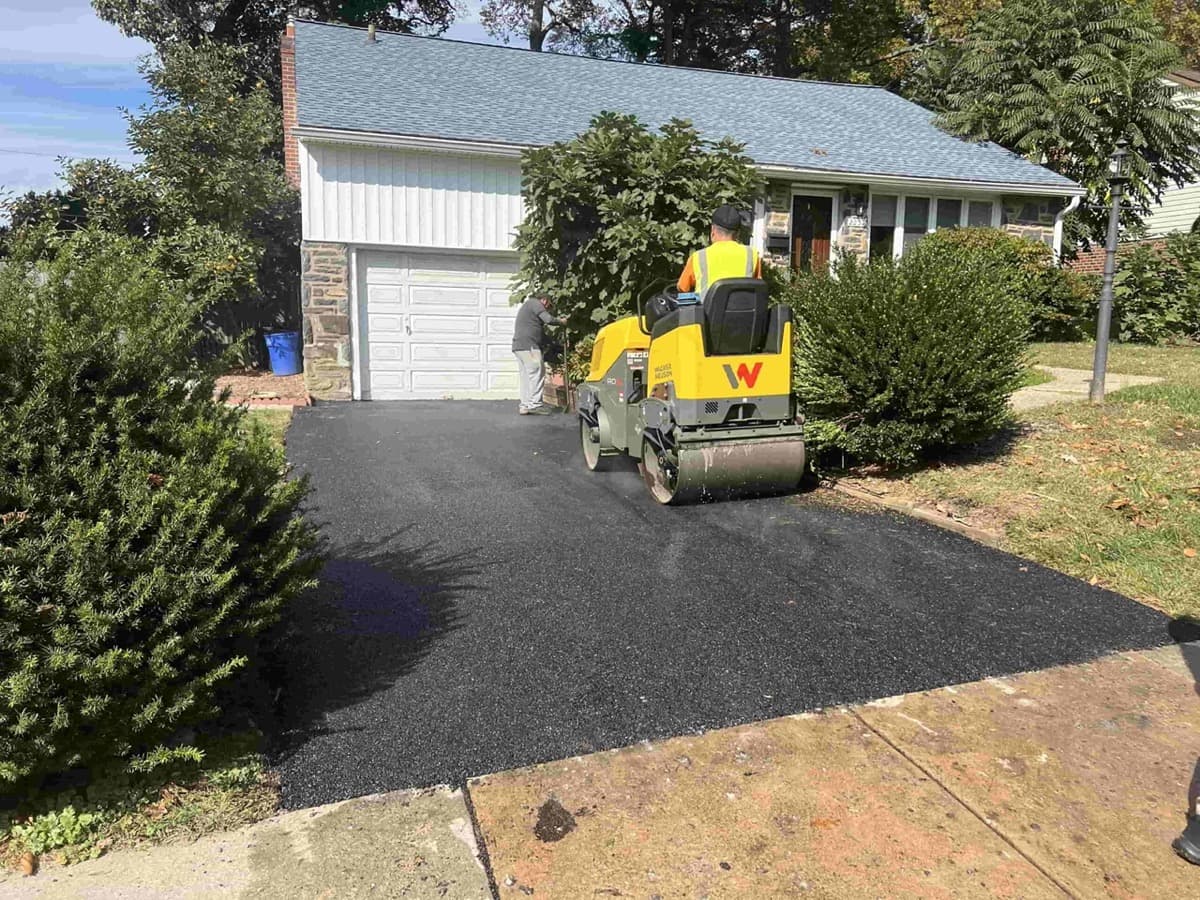
Asphalt is almost always cheaper to install than concrete, and on a standard two-car driveway the difference can add up to thousands of dollars. Final pricing depends on size, grading and base work.
How long does an asphalt driveway last?
A properly installed asphalt driveway lasts 20 to 30 years when it's sealcoated every 2 to 3 years and small cracks are sealed early. Concrete can last 30+ years.
Asphalt vs. Concrete: A Contractor's Honest Comparison
All State Paving has served Gainesville and surrounding areas for 25 years, and the asphalt-versus-concrete question comes up on nearly every estimate. The honest answer depends on budget, how long you plan to stay, and how much upkeep you're willing to do.
| Asphalt | Concrete | |
|---|---|---|
| Up-front cost | Lower | Higher |
| Ready to drive on | About 24–72 hours | About a week |
| Lifespan | 20–30 years with upkeep | 30+ years |
| Repairs | Patch, resurface or overlay; blends in | Harder and costlier; patches show |
| Maintenance | Sealcoat every 2–3 years | Seals rarely |
| Florida sun | Fades to gray without sealcoat | Can stain and crack |
| Long driveways and farm lanes | Lower cost per square foot | Expensive over long distances |
How Does Florida Weather Affect Each One?
Gainesville driveways don't deal with snow or road salt. They deal with heat, strong sun and heavy summer rain.
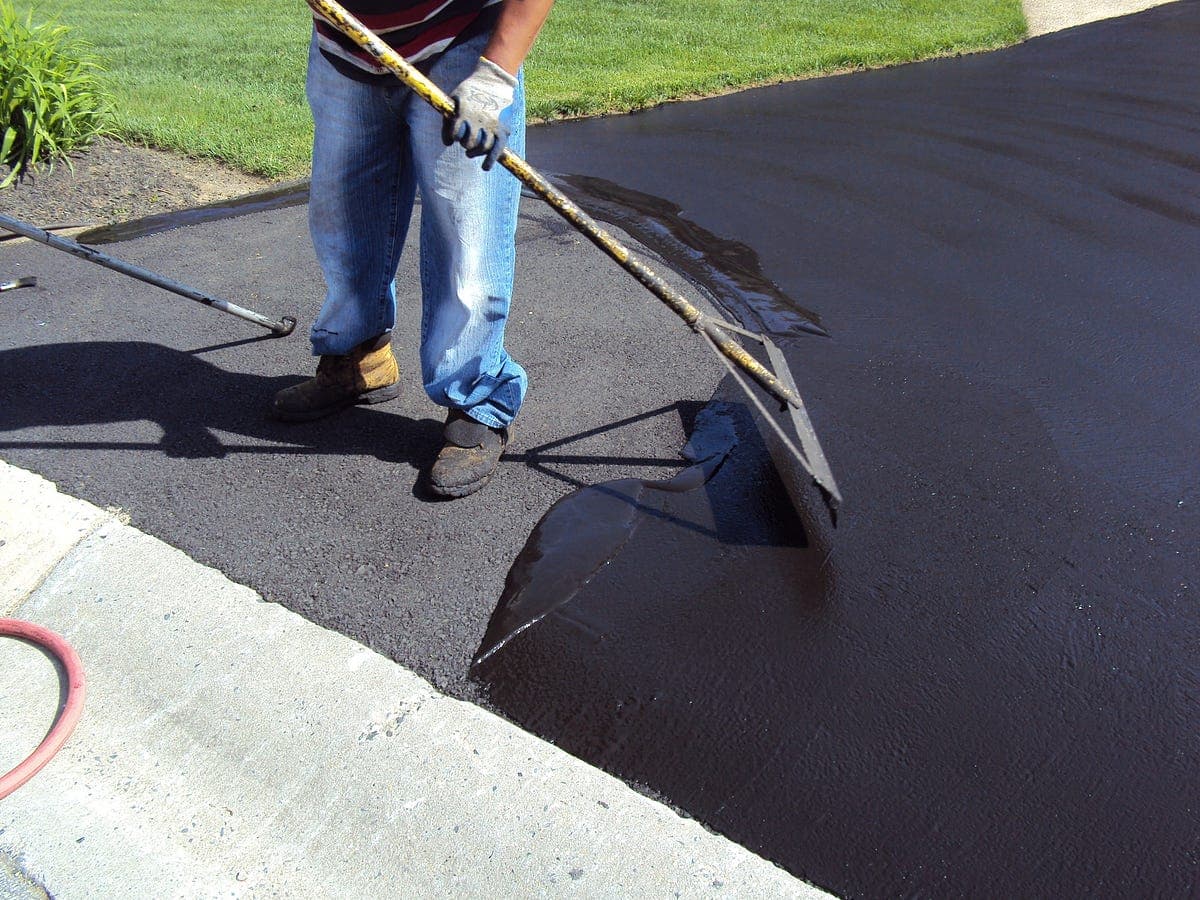
- •Asphalt is flexible, so it handles small ground movement without snapping. Sun dries out the surface over time, which is why sealcoating every 2 to 3 years matters.
- •Concrete is rigid. When the ground under it settles, it cracks, and those cracks are hard to blend in.
- •Both need good drainage. Water that sits on or under any driveway softens the base.
What About Repairs?
Asphalt repairs are straightforward: we can patch, resurface or overlay a worn section and blend it in. Concrete repairs usually mean cutting out and replacing whole slabs, and the new concrete rarely matches the old.
Learn more about our driveway paving services and residential paving services. For background on asphalt pavement, see the National Asphalt Pavement Association.
Frequently Asked Questions
Which is cheaper to install, asphalt or concrete?
Asphalt, almost always. It also lets you drive on it much sooner.
Which holds up better in Florida heat?
Both hold up well when built right. Asphalt needs sealcoating to stay protected from sun. Concrete doesn't oxidize but can crack if the ground settles.
How often should I sealcoat my asphalt driveway?
Every 2 to 3 years. Wait 30 to 90 days after paving before the first coat so the surface can cure.
When is the best time to pave a driveway in Gainesville?
Most of the year. The drier months from late fall through spring are easiest to schedule.
Can I pave over my existing concrete or asphalt driveway?
Sometimes. It depends on the condition of what's there. We check during the free estimate.
Is asphalt a good choice for long rural driveways and farm lanes?
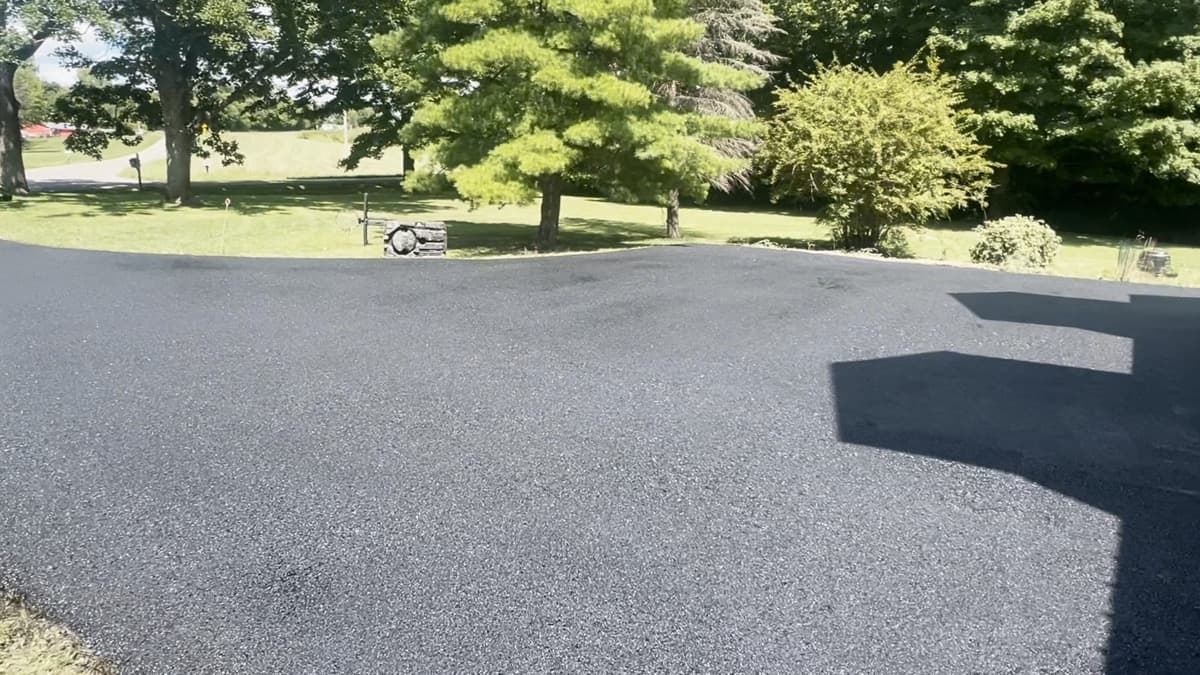
Yes. It covers large areas at a lower cost per square foot than concrete and handles heavy loads when built on the right base. See our farm lane paving services.
Deciding between asphalt and concrete? Contact All State Paving or call 1-800-568-9954 or 352-581-5301 for a free estimate in Gainesville and surrounding areas. See our Gainesville service area page.
Need Paving Services?
Contact All State Paving today for a free estimate on your project.
Recent Posts
- Asphalt Patching in Gainesville: Which Patch Actually Lasts?November 21, 2026
- How Wide Should an Asphalt Driveway Be?November 18, 2026
- How Thick Should an Asphalt Driveway Be in Florida?November 14, 2026
- Is an Asphalt Overlay Right for Your Gainesville Driveway or Lot?November 11, 2026
- ADA Parking Lot Striping in Florida: Requirements, Layout and ComplianceAugust 3, 2026
- Private Road Paving in Florida: A Property Owner's GuideJuly 27, 2026
- How Often Should You Sealcoat Asphalt in Florida? A Contractor's ScheduleJuly 20, 2026
- Asphalt vs. Concrete Driveways in Florida: Which Is Better?July 13, 2026
- Best Time to Pave Asphalt in Florida: Season and Weather GuideJuly 6, 2026
- Asphalt Paving in Gainesville, FL: Timeline and What to ExpectJune 29, 2026
- What Does Parking Lot Paving Cost in Gainesville?June 22, 2026
- 5 Benefits of Asphalt Paving for Gainesville Property OwnersMarch 15, 2026
- Asphalt Repair vs. Replacement: How to Know Which Your Pavement NeedsFebruary 28, 2026
- Asphalt Maintenance in Florida: Sun, Rain and Hurricane Season CareJanuary 10, 2026
- Commercial Paving in Gainesville: A Business Owner's GuideDecember 5, 2025
- Why Is Sealcoating So Important for Florida Asphalt?November 20, 2025
- How to Choose the Right Paving Contractor in GainesvilleOctober 12, 2025