
Quick Answers
How much does commercial paving cost in Ohio?
Commercial paving in Ohio typically runs $3 to $7 per square foot for new asphalt, depending on lot size, base condition, thickness, and drainage work. A repave over a solid existing base costs less than a full dig-out and rebuild. Get a written estimate that itemizes excavation, base, asphalt depth, and striping so you can compare bids fairly.
When is the best time to pave a commercial lot in Central Ohio?
The best paving window is late April through October, when daytime temps stay above 50°F. Hot asphalt needs warm, dry ground to compact and cure properly. Paving in cold or wet conditions traps moisture and weakens the bond, which shortens lifespan. Schedule early, since the best contractors book up fast in summer.
How long does asphalt paving last in Ohio?
A properly built commercial asphalt lot lasts 20 to 30 years when the base is right, drainage works, and you sealcoat every 2 to 3 years. Ohio's freeze-thaw cycles are the main enemy: water gets into cracks, freezes, expands, and breaks the surface apart. Good base prep and routine maintenance are what stretch that lifespan.
---
The Business Owner's Guide to Commercial Paving in Central Ohio
A parking lot is the first thing your customers touch before they walk in the door. Cracked, ponding, faded asphalt sends a message before you say a word. Done right, commercial paving protects your property value, keeps customers and employees safe, and lasts for decades. Done wrong, you'll be repaving in five years. After 40+ years and 2,500+ projects across Central Ohio, here's what actually matters.
It Starts With the Base, Not the Asphalt
The black surface everyone sees is only as good as what's underneath it. Most commercial lots that fail early fail because the base was rushed. A solid aggregate base, properly graded and compacted, spreads the weight of delivery trucks, dumpsters, and daily traffic so the asphalt doesn't crack and rut.
For a typical commercial lot, that means:
- •Excavate to the right depth and remove soft, unstable soil
- •Lay and compact a crushed aggregate stone base
- •Install the asphalt in proper lifts (binder course plus surface course for heavy-traffic lots)
- •Compact each layer while the mix is still hot
Skipping base depth to win a low bid is the most common shortcut in this business. It doesn't show up for a couple winters, and by then the contractor is long gone.
Drainage: Where Ohio Lots Live or Die
Central Ohio's freeze-thaw cycles are brutal on pavement. Standing water is the killer. When water sits on or under asphalt, then freezes and expands, it pries cracks open and undermines the base. That's why proper grading and drainage matter as much as the asphalt itself.
A good plan slopes the lot so water runs to catch basins or curbs and off the surface fast, with no birdbaths or low spots. If your current lot ponds after every rain, that's a drainage problem to fix before you repave, not after.
ADA Compliance Is Not Optional
Commercial lots must meet Americans with Disabilities Act (ADA, ada.gov) requirements: the right number of accessible spaces for your lot size, van-accessible stalls, proper slopes, signage, and access aisles. This is where parking lot paving and layout planning come together. Getting the count and dimensions wrong can mean fines and a re-do. We plan the layout before the first stripe goes down so your lot is compliant and flows well for traffic.
Layout and Striping Drive Real Dollars
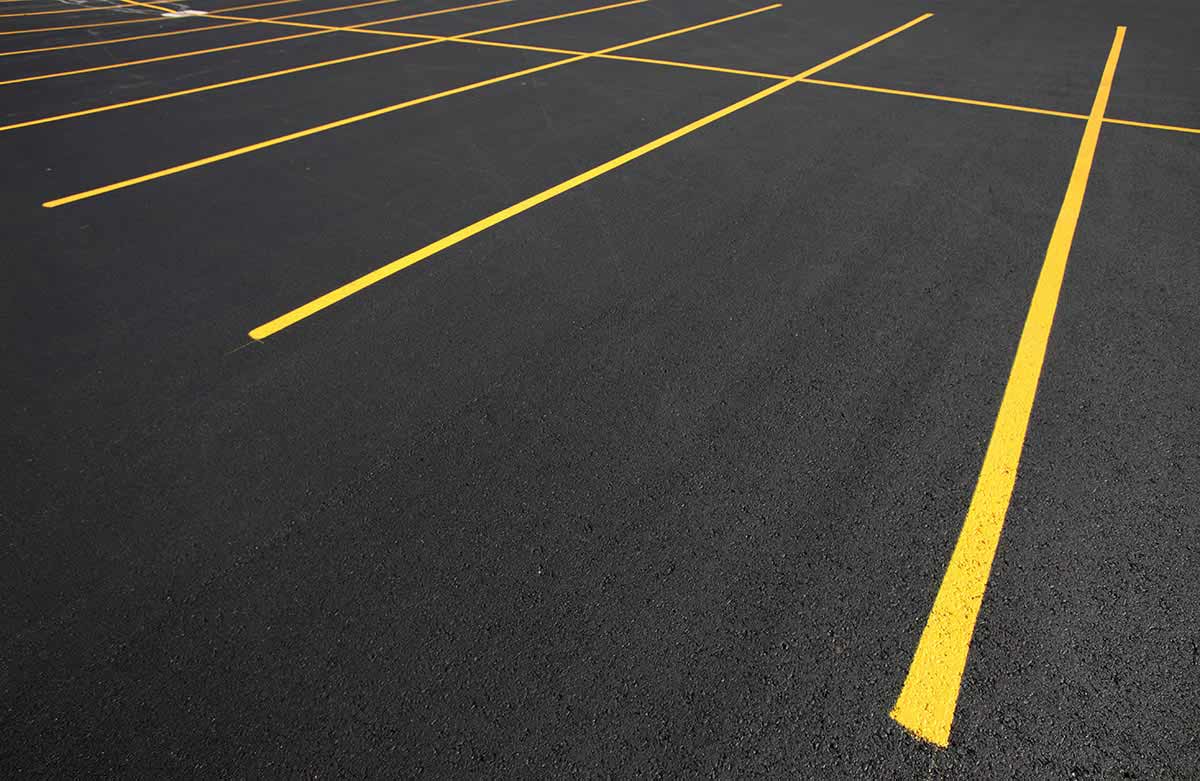
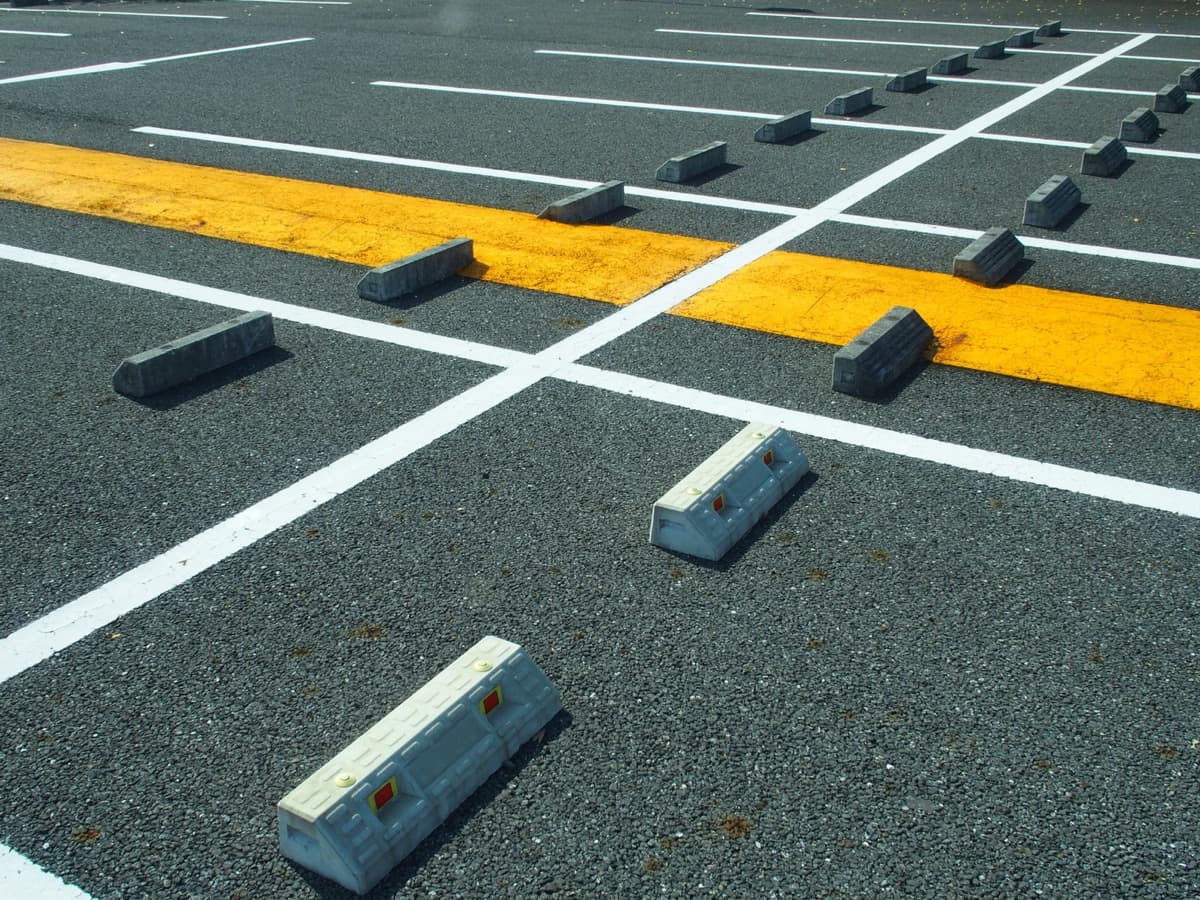
Smart layout isn't just lines on the ground, it's how many cars you can park and how smoothly they move. Crisp, well-planned line striping maximizes stall count, marks fire lanes and loading zones, and keeps traffic flowing safely. Fresh striping over fresh asphalt also signals a property that's well kept, which matters to customers and tenants alike.
Why Central Ohio Property Owners Choose All State Paving
Family-owned and operated since 1979, we've paved for 1,800+ clients across Delaware, Columbus, Dublin, Westerville, Powell, Sunbury, Marysville, Marion, London, Mount Vernon, and the surrounding counties. We build the base right, plan for Ohio drainage, and stand behind the work. Estimates are free and written so you know exactly what you're paying for, with no surprises.
How to Choose a Commercial Paving Contractor
Before you sign anything, ask:
1. Are you licensed, insured, and local? A local crew that's still around in ten years backs its work.
2. What asphalt thickness and base depth are you quoting? Get it in writing.
3. How will you handle drainage and grading? Vague answers are a red flag.
4. Can you show me commercial projects you've done nearby? Experience on lots like yours matters.
5. What's your maintenance recommendation after the job? A real contractor sets you up to protect the investment.
The National Asphalt Pavement Association (asphaltpavement.org) and Ohio Department of Transportation publish good baseline standards for materials and construction. A contractor who knows them is a contractor who builds to last.
---
Frequently Asked Questions
How much does it cost to pave a commercial parking lot in Ohio?
New commercial asphalt generally runs $3 to $7 per square foot, with the spread driven by lot size, base condition, asphalt thickness, and drainage work. A repave over a sound base costs less than a full dig-out and rebuild. The honest way to compare bids is to make sure each one itemizes excavation, base depth, asphalt lifts, and striping. A cheap bid that skips base depth almost always costs more within a few years.
What's the ROI on repaving versus patching?
Patching buys time on isolated problems, but if cracking and ponding are widespread, repeated patches cost more than they save. A full repave restores 20 to 30 years of usable surface, improves safety and curb appeal, and protects property value. For most aging commercial lots, a planned repave with proper drainage and a maintenance plan delivers the better long-term return than chasing failures patch by patch.
How long does a commercial paving project take?
Most commercial lots are completed in a few days to about a week, depending on square footage, base work, and weather. Full dig-outs take longer than repaves. We can often phase larger lots so part of your parking stays open during the work. After paving, new asphalt needs time to cure before heavy traffic and sealcoating, which we'll walk you through.
When can I sealcoat and stripe a newly paved lot?
New asphalt should cure before its first sealcoat, typically several months, so the oils set up properly. After that, sealcoat every 2 to 3 years to protect the surface from Ohio's freeze-thaw cycles, UV, and fluids. Restripe whenever lines fade for safety and ADA compliance. Fresh striping can go on shortly after paving once the surface is ready.
What causes asphalt to fail early in Central Ohio?
The top causes are a weak or thin base, poor drainage, and skipped maintenance. Ohio's freeze-thaw cycles drive water into cracks where it freezes, expands, and breaks the pavement apart. Neglected sealcoating speeds it up. Building the base right, grading for drainage, and sealcoating on schedule are what separate a lot that lasts 25 years from one that fails in 5.
Should I repave or just sealcoat my lot?
Sealcoat protects asphalt that's structurally sound, sealing the surface and slowing wear. But sealcoat is not a fix for base failure, alligator cracking, potholes, or ponding, those are structural problems that need repair or repaving. A quick on-site assessment tells you which you're dealing with. We'll give you a straight answer rather than selling you a sealcoat over a lot that needs rebuilding.
*Ready to plan your project the right way? Contact All State Paving for a free estimate.*
Need Paving Services?
Contact All State Paving today for a free estimate on your project.
Recent Posts
- ADA Parking Lot Striping in Ohio: Requirements, Layout & ComplianceAugust 3, 2026
- Private Road Paving in Ohio: A Property Owner's GuideJuly 27, 2026
- How Often to Sealcoat Asphalt in Ohio: A Contractor's ScheduleJuly 20, 2026
- Asphalt vs. Concrete Driveways in Ohio: Which Is Better?July 13, 2026
- Best Time to Pave Asphalt in Ohio: Season & Temperature GuideJuly 6, 2026
- Asphalt Paving in Delaware, Ohio: Costs, Timeline & What to ExpectJune 29, 2026
- Parking Lot Paving Cost in Central Ohio: 2026 Price GuideJune 22, 2026
- 5 Benefits of Asphalt Paving for Central Ohio Property OwnersMarch 15, 2026
- Asphalt Repair vs. Replacement: How to Know Which Your Ohio Pavement NeedsFebruary 28, 2026
- Asphalt Maintenance for Ohio Winters: Freeze-Thaw, Salt & Spring CareJanuary 10, 2026
- Commercial Paving in Ohio: A Business Owner's GuideDecember 5, 2025
- Why Seal Coating Is Critical for Central Ohio AsphaltNovember 20, 2025
- How to Choose the Right Paving Contractor in Central OhioOctober 12, 2025