Quick Answers
How much does parking lot paving cost in Central Ohio?
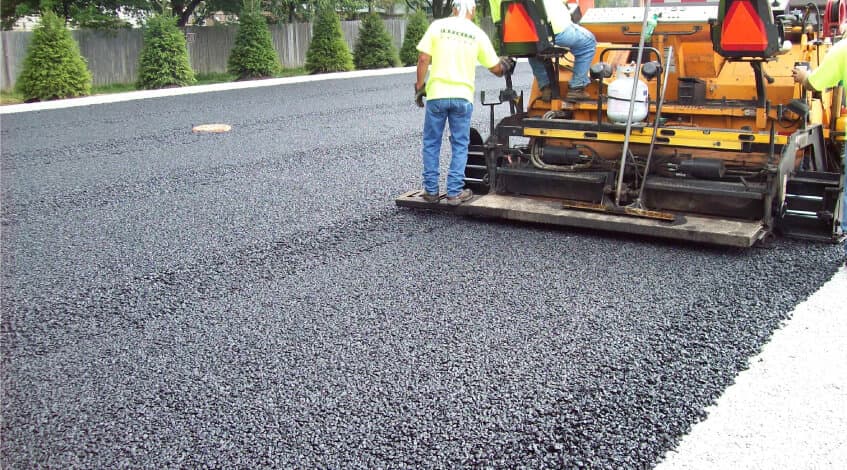
Most parking lot paving in Central Ohio runs about $3 to $7 per square foot for new asphalt, depending on lot size, base condition, asphalt thickness, and site prep. A small lot resurface can start a few thousand dollars, while a full tear-out and rebuild on a large commercial lot runs considerably higher. Every site is different, so a walk-the-lot estimate is the only honest number.
Should I resurface or fully replace my parking lot?
Resurface when the base underneath is solid and damage is limited to the top layer — that overlay typically costs less than half of a full replacement. Replace when you see widespread alligator cracking, deep potholes, sinking areas, or base failure. If water is breaking through to the gravel below, an overlay just buys time. A core inspection tells the real story.
When can you pave a parking lot in Ohio?
Asphalt paving in Central Ohio works best from late April through October, when temperatures hold steady above 50°F. Cold or wet conditions keep hot-mix asphalt from compacting and bonding the way it should, which shortens lifespan. We schedule pours around the weather to protect the work, and sealcoating or line striping can follow once the surface fully cures.
---
What Parking Lot Paving Really Costs in Central Ohio
After 40-plus years and more than 2,500 projects across Delaware, Columbus, Dublin, Westerville, Powell, and the surrounding counties, we've learned that the honest answer to "what's it cost?" is "it depends" — but it depends on a short, predictable list of things. Here's how the number actually gets built.
The Cost Factors That Move the Number
- •Lot size and shape. Bigger lots earn a lower per-square-foot rate because mobilization and equipment costs spread out. Tight, oddly shaped lots with lots of curbs and islands cost more to work around.
- •Base condition. A solid stone base is everything. If the foundation is failing, we have to dig out and rebuild it before any asphalt goes down — that's the single biggest swing in price.
- •Asphalt thickness. A passenger-car lot doesn't need the same depth as a lot that takes loaded box trucks and trash haulers. Heavier traffic means thicker asphalt and more material.
- •Drainage and grading. Standing water destroys asphalt. Proper slope and drainage cost a little up front and save you a fortune later.
- •Site prep and removal. Tearing out old asphalt, hauling it off, and prepping the grade all factor in.
Why Ohio's Freeze-Thaw Cycle Drives the Price
Central Ohio winters are hard on pavement. Water seeps into small cracks, freezes, expands, and pries the asphalt apart — then thaws and does it again, week after week. That freeze-thaw cycle is why a lot built on a weak base in Ohio fails years sooner than the same lot would in a milder climate. It's also why we don't cut corners on base and drainage. A proper parking lot paving job is engineered to shed water and survive the thaw, which is what protects your investment for the long haul. Most well-built asphalt lots last 20 to 30 years with the right upkeep.
Resurface vs. Replace: How to Decide
Resurfacing (an asphalt overlay) lays a fresh 1.5 to 2-inch layer over a sound existing base. It's the budget-friendly route — typically less than half the cost of replacement — and it works great when the bones of the lot are still good.
Full replacement means removing the old asphalt down to the base, repairing or rebuilding that base, and paving fresh. You need it when you've got:
- •Widespread alligator (interconnected) cracking
- •Deep or recurring potholes
- •Areas that sink, hold water, or feel spongy under a vehicle
- •Base failure where the stone underneath has shifted or washed out
When the damage is localized, targeted asphalt repair plus sealcoating often gets you several more good years before a bigger project is needed.
Protecting the Investment After Paving
Fresh asphalt is only step one. To get the full 20-to-30-year life, two things matter most. First, sealcoating every 2 to 3 years seals out water, oxidation, and oil that break asphalt down — it's the cheapest insurance you can buy on a lot. Second, sharp, code-compliant line striping keeps traffic organized and keeps you square with ADA accessibility requirements (ada.gov) for handicap stalls and access aisles, which matters for any business open to the public.
Why Central Ohio Property Owners Choose All State Paving
We're a family-owned, family-operated paving contractor that's been doing this since 1979 — more than 2,500 projects and 1,800-plus clients across Central Ohio. We build to the standards the National Asphalt Pavement Association (asphaltpavement.org) sets, we show up when we say we will, and we give straight answers. For business owners and property managers, our commercial paving crews handle everything from a single retail lot to phased work on large facilities. And the estimate is always free — we walk your lot, tell you what it actually needs, and put a real number on it.
---
Frequently Asked Questions
Is resurfacing a parking lot worth it, or am I just delaying the inevitable?
If your base is sound and the damage is in the top layer, resurfacing is absolutely worth it — you get a like-new surface for less than half the cost of full replacement, and a good overlay can add 8 to 15 years. The key is an honest inspection first. If the base is failing, an overlay only hides the problem for a season or two, and you'll pay twice. We tell you which situation you're in before you spend a dime.
How long does a parking lot paving project take?
Most parking lots take one to three working days, depending on size and whether we're resurfacing or doing a full tear-out and rebuild. After the asphalt is down, it needs roughly 24 to 72 hours before vehicle traffic, and we recommend waiting 30 to 90 days before sealcoating so the surface fully cures. We phase larger commercial lots to keep part of your business accessible throughout the job whenever possible.
Why is asphalt better than concrete for a Central Ohio parking lot?
Asphalt costs less up front, installs faster, and handles Ohio's freeze-thaw cycle better than concrete because it flexes slightly instead of cracking rigidly. It's also far easier and cheaper to repair — you can patch, resurface, or sealcoat asphalt without replacing the whole lot. For most commercial and residential lots in Central Ohio, asphalt delivers the best long-term value, which is why it's what we install most.
How often should a parking lot be sealcoated?
Every 2 to 3 years in our climate. Sealcoating restores the protective top layer that sun, water, salt, and vehicle oils wear away. Skip it and water works into the asphalt, freezes, and starts the cracking-and-pothole cycle that leads to expensive repairs. A sealcoat is one of the lowest-cost, highest-return things you can do for a lot — pennies on the dollar compared to repaving.
What's the most common mistake property owners make with paving?
Choosing the lowest bid without asking what's underneath. A cheap quote often skips proper base work or drainage, and that lot fails fast in Ohio winters. The base, the grading, and the asphalt thickness are where quality lives. Ask any contractor exactly what they'll do below the surface — a real paver will walk you through it. Cutting that corner costs more in the end, every time.
---
*Ready for a straight answer on your lot? Contact All State Paving for a free, no-pressure estimate — we'll walk your property and give you a real number.*
Need Paving Services?
Contact All State Paving today for a free estimate on your project.
Recent Posts
- ADA Parking Lot Striping in Ohio: Requirements, Layout & ComplianceAugust 3, 2026
- Private Road Paving in Ohio: A Property Owner's GuideJuly 27, 2026
- How Often to Sealcoat Asphalt in Ohio: A Contractor's ScheduleJuly 20, 2026
- Asphalt vs. Concrete Driveways in Ohio: Which Is Better?July 13, 2026
- Best Time to Pave Asphalt in Ohio: Season & Temperature GuideJuly 6, 2026
- Asphalt Paving in Delaware, Ohio: Costs, Timeline & What to ExpectJune 29, 2026
- Parking Lot Paving Cost in Central Ohio: 2026 Price GuideJune 22, 2026
- 5 Benefits of Asphalt Paving for Central Ohio Property OwnersMarch 15, 2026
- Asphalt Repair vs. Replacement: How to Know Which Your Ohio Pavement NeedsFebruary 28, 2026
- Asphalt Maintenance for Ohio Winters: Freeze-Thaw, Salt & Spring CareJanuary 10, 2026
- Commercial Paving in Ohio: A Business Owner's GuideDecember 5, 2025
- Why Seal Coating Is Critical for Central Ohio AsphaltNovember 20, 2025
- How to Choose the Right Paving Contractor in Central OhioOctober 12, 2025