Quick Answers
How often should you sealcoat asphalt in Ohio?
In Ohio, sealcoat asphalt every 2 to 3 years for most driveways and parking lots. Our freeze-thaw winters are hard on pavement, so a 3-year cycle is the safe default. High-traffic lots and farm lanes may need it closer to every 2 years. Brand-new asphalt should cure 6 to 12 months before its first coat.
When is the best time of year to sealcoat in Ohio?
Sealcoat between late April and October, when daytime temps stay above 50°F and overnight lows don't drop too far. Asphalt needs warm, dry weather to cure properly. Avoid sealing in early spring or late fall when cold nights and surprise rain are common across central Ohio.
Does sealcoating actually extend asphalt life?
Yes. A consistent sealcoating schedule can help asphalt reach a 20 to 30 year lifespan instead of failing early. Sealcoat blocks water, UV rays, oil, and salt from breaking down the binder that holds your pavement together, which is exactly what our freeze-thaw cycles attack hardest.
---
A Central Ohio Contractor's Sealcoating Schedule
After 40-plus years and 2,500-plus projects across Delaware, Columbus, Dublin, Westerville, Powell, and the surrounding counties, we've learned that sealcoating in Ohio isn't a one-size-fits-all calendar. The right schedule depends on what the surface is, how hard it gets used, and how badly our weather beats on it. Here's how we actually think about it.
Why Ohio's Freeze-Thaw Cycle Changes Everything
In a milder climate, you might stretch sealcoat out longer. Not here. Central Ohio runs through dozens of freeze-thaw cycles every winter, water seeps into tiny surface cracks, freezes overnight, expands, and pries the asphalt apart. Add road salt and you've got a recipe for fast deterioration.
Sealcoat is the barrier that keeps water out before that cycle can start. That's why we lean toward a 2 to 3 year schedule here instead of waiting longer. According to the National Asphalt Pavement Association (asphaltpavement.org), keeping water and UV out of the binder is the single biggest factor in how long pavement lasts.
How Often to Sealcoat by Surface Type
Not every surface wears the same way. Here's our rule of thumb:
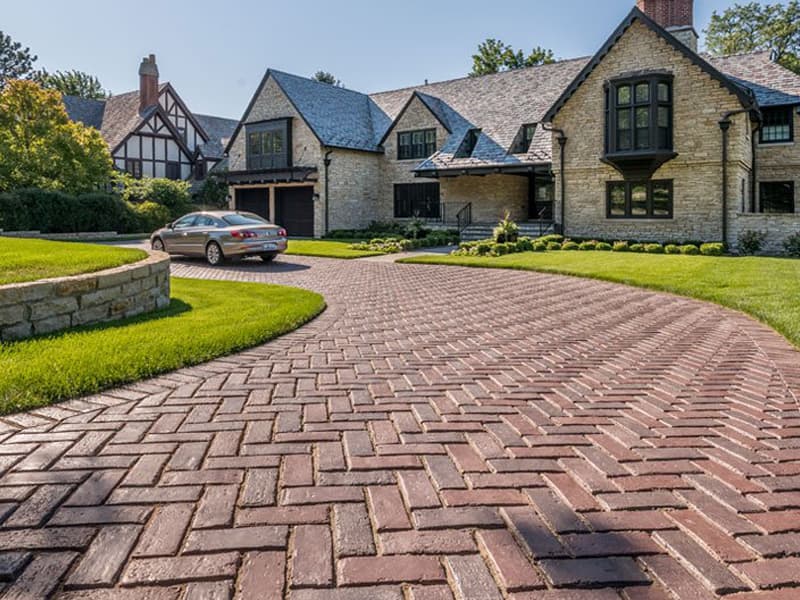
- •Residential driveways — every 3 years is plenty for most homes. If you park heavy trucks or get a lot of sun exposure, lean toward 2 to 3. Good driveway paving plus a steady seal schedule is the cheapest way to protect that investment.
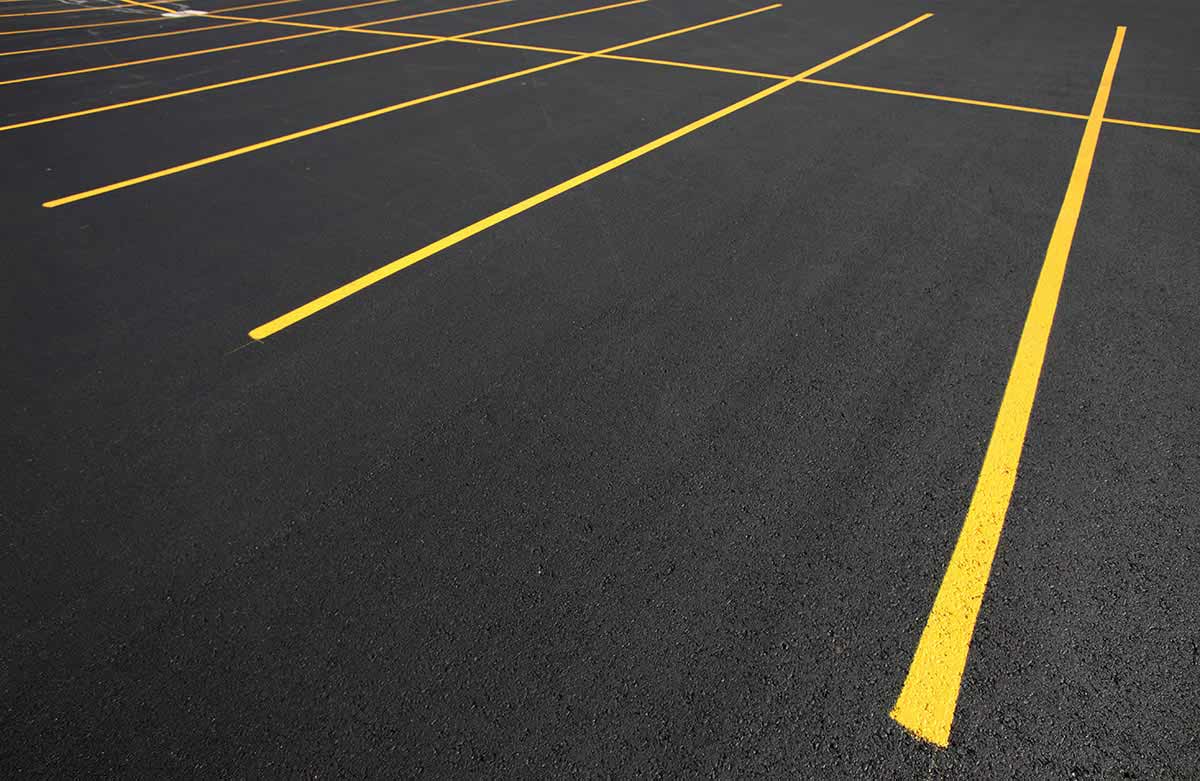
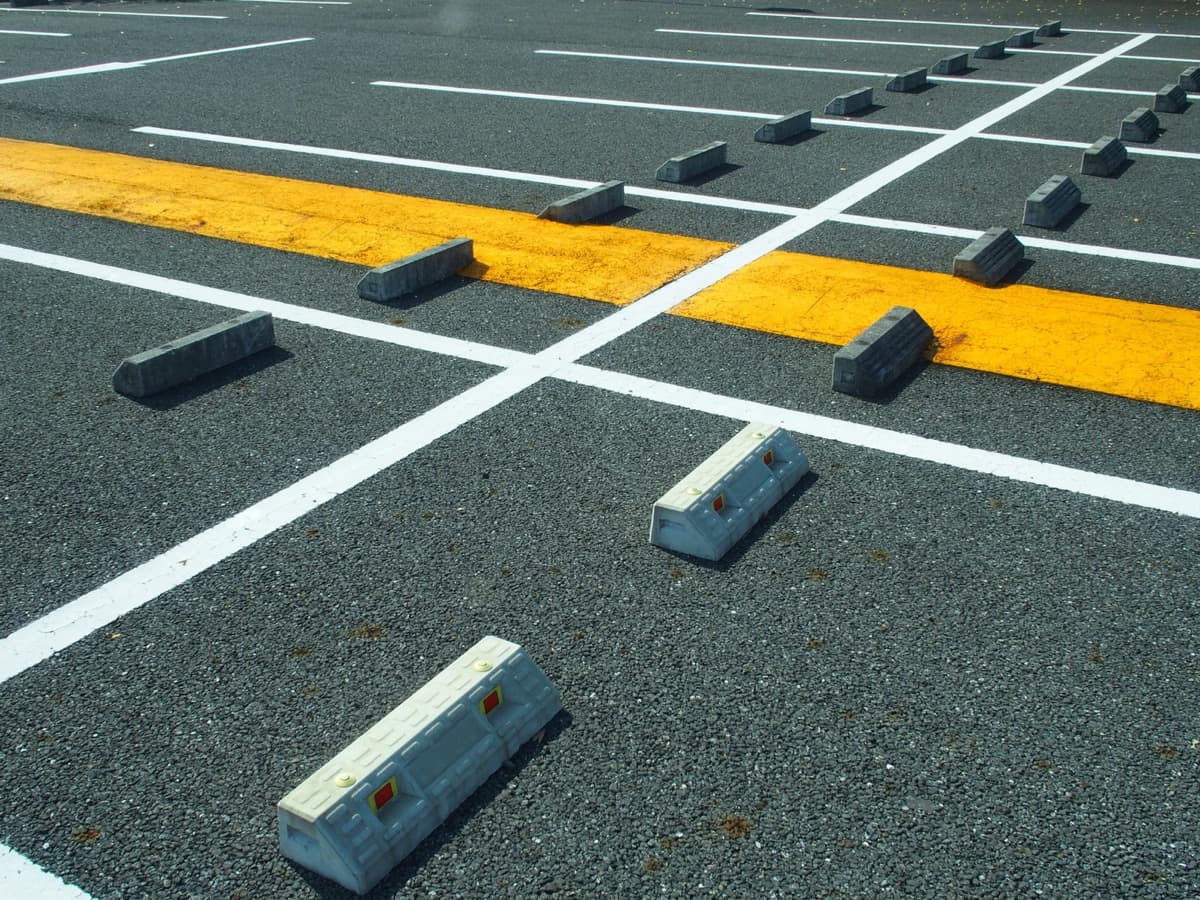
- •Commercial parking lots — every 2 to 3 years. Constant traffic, turning tires, and oil drips wear the surface faster. Pairing fresh parking lot paving with regular sealcoating and line striping keeps a lot looking sharp and ADA-compliant.
- •Private roads and farm lanes — every 2 to 3 years, sometimes sooner where heavy equipment and grain trucks run. Watch for raveling at the edges, that's your signal.
- •Brand-new asphalt — don't rush it. Let new pavement cure 6 to 12 months before the first sealcoating coat so the oils can set up properly.
Signs It's Time to Sealcoat (Don't Wait for the Calendar)
The schedule is a guide, your pavement tells the real story. Get out and look for:
1. Color fading — fresh asphalt is deep black. Gray and dull means UV has been working on it.
2. Hairline cracks — small surface cracks let water in. Seal before they spread.
3. Water no longer beading — when the surface stops shedding water, the old seal is spent.
4. Rough, rocky texture — loose aggregate underfoot means the binder is wearing away.
If you're seeing these, it's time, even if it hasn't been a full three years.
Why Central Ohio Property Owners Choose All State Paving
We're family-owned and have been paving central Ohio since 1979. Over 2,500 completed projects and 1,800-plus clients later, we still do it the same way, show up on time, prep the surface right, and tell you straight whether you need sealcoat now or can wait a season. We don't upsell coats you don't need, and every estimate is free.
---
Frequently Asked Questions
How much does sealcoating cost in Ohio?
Sealcoating is one of the most affordable ways to protect asphalt because it costs a small fraction of repaving. For comparison, new asphalt typically runs $3 to $7 per square foot installed, while a routine seal coat is far less. Exact pricing depends on square footage, surface condition, and prep work like crack filling. We give free, no-pressure estimates so you know the number before any work starts.
Is it cheaper to sealcoat or repave?
Sealcoating is dramatically cheaper than repaving, which is the whole point of doing it on schedule. A consistent 2 to 3 year seal cycle protects the binder and helps your pavement reach a 20 to 30 year lifespan. Skip it, and water and freeze-thaw damage force a full replacement years early, at several times the cost. Maintenance always beats replacement.
Can you sealcoat asphalt in cold weather?
No, you shouldn't. Sealcoat needs daytime temperatures above 50°F and dry conditions to cure properly, which in central Ohio means late April through October. Applying it on a cold or damp day leads to a weak, peeling coat that fails fast. We schedule work around the forecast specifically so your seal actually bonds and lasts the full cycle.
How long after new asphalt can I sealcoat?
Wait 6 to 12 months. Fresh asphalt needs time to cure and release its surface oils before it can accept a seal coat. Sealing too early traps those oils and causes problems down the road. The good news is new asphalt doesn't need protection right away, so there's no rush, let it set through a full season first, then start your regular schedule.
What's the difference between sealcoating and crack filling?
They work together. Crack filling plugs existing cracks so water can't get into the base, while sealcoating is a thin protective layer over the whole surface that blocks UV, oil, and water. We almost always crack-fill first, then sealcoat, because sealing over open cracks just hides a problem instead of fixing it. Done in order, they protect your pavement far longer.
Does sealcoating fix potholes or major cracks?
No. Sealcoating is preventive maintenance, not a structural repair. Potholes, alligator cracking, and base failures need proper asphalt repair or patching before any sealcoat goes down. If your pavement has serious damage, we'll tell you straight what it actually needs, sometimes a repair and seal, sometimes a section of repaving. Sealcoat over broken pavement is wasted money.
*Ready to protect your pavement the right way? Contact All State Paving for a free estimate — we've been doing it right across central Ohio since 1979.*
Need Paving Services?
Contact All State Paving today for a free estimate on your project.
Recent Posts
- ADA Parking Lot Striping in Ohio: Requirements, Layout & ComplianceAugust 3, 2026
- Private Road Paving in Ohio: A Property Owner's GuideJuly 27, 2026
- How Often to Sealcoat Asphalt in Ohio: A Contractor's ScheduleJuly 20, 2026
- Asphalt vs. Concrete Driveways in Ohio: Which Is Better?July 13, 2026
- Best Time to Pave Asphalt in Ohio: Season & Temperature GuideJuly 6, 2026
- Asphalt Paving in Delaware, Ohio: Costs, Timeline & What to ExpectJune 29, 2026
- Parking Lot Paving Cost in Central Ohio: 2026 Price GuideJune 22, 2026
- 5 Benefits of Asphalt Paving for Central Ohio Property OwnersMarch 15, 2026
- Asphalt Repair vs. Replacement: How to Know Which Your Ohio Pavement NeedsFebruary 28, 2026
- Asphalt Maintenance for Ohio Winters: Freeze-Thaw, Salt & Spring CareJanuary 10, 2026
- Commercial Paving in Ohio: A Business Owner's GuideDecember 5, 2025
- Why Seal Coating Is Critical for Central Ohio AsphaltNovember 20, 2025
- How to Choose the Right Paving Contractor in Central OhioOctober 12, 2025