Last updated: November 2026
Quick Answers
Which asphalt patch lasts longest?
Infrared patching and saw-cut removal and replacement both use new hot-mix asphalt and typically last 8 to 15 years when the base underneath is sound. Bagged cold patch is a short-term fix that usually lasts weeks to months.
What is infrared asphalt patching?
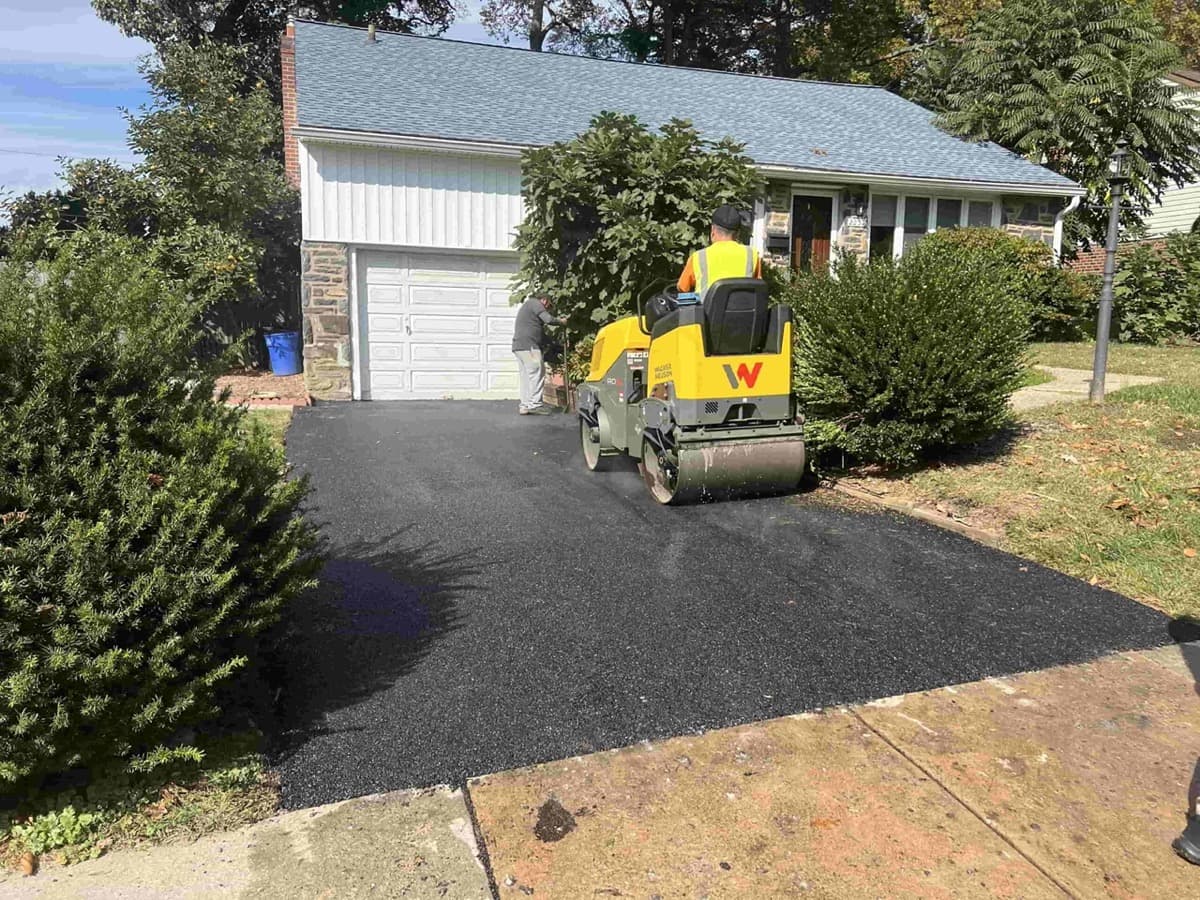
An infrared heater softens the existing asphalt around the damaged spot. Fresh hot mix is blended in and compacted, so the patch bonds to the old pavement with no seams for water to get into.
Can you patch asphalt in Gainesville year-round?
Yes. Patching can be done most of the year in Gainesville. The surface needs to be dry, so in the summer rainy season work is timed around afternoon storms.
Why Do Patches Fail So Often in Florida?
Most failed patches have one thing in common: water. Cold patch never fully bonds to the edges of the hole, so rain seeps in around it. Gainesville's summer storms keep refilling that gap, the base underneath stays wet, and traffic pushes the patch out. Then the hole comes back, often bigger.
All State Paving has served Gainesville and surrounding areas for 25 years. A patch only lasts if it seals the edges and sits on a solid base.
How Do the Three Patching Methods Compare?
| Method | How it works | Typical life | Best for |
|---|---|---|---|
| Cold patch | Bagged mix tamped into the hole | Weeks to months | Emergencies only |
| Infrared patching | Heats old asphalt, blends in new hot mix, no seams | 8–15 years | Potholes and damaged spots on a solid base |
| Saw-cut removal and replacement | Cuts out the damaged area, fixes the base, repaves | 8–15 years | Areas where the base underneath has failed |
When Is a Patch Not Enough?
Patching works when the damage is limited. It isn't the right fix when:
- •Cracks are connected across large areas, like alligator skin.
- •Water sits on the surface after storms because the grade is wrong.
- •Potholes keep coming back in the same places.
- •The surface is worn and gray almost everywhere.
At that point, an overlay or full replacement is the better value. Learn more about our asphalt repair services and asphalt paving.
What Should You Do About a Pothole Right Now?
- Mark it if it's in a walkway or drive lane.
- Use cold patch only to get by for a short time.
- Get a permanent hot-mix repair scheduled, ideally in the drier months before summer storms.
- Seal the cracks around it so new water can't get in.
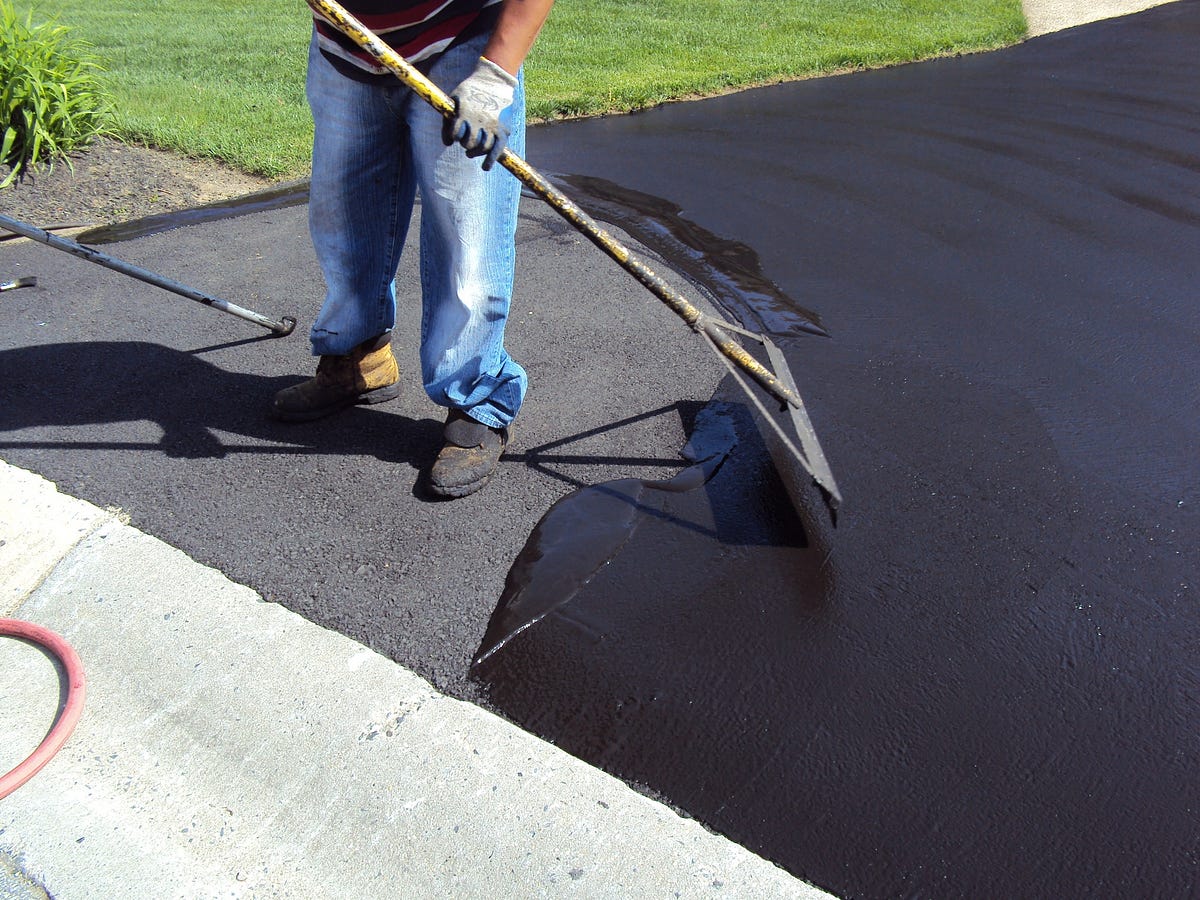
- Sealcoat once repairs are done to protect the whole surface. See our sealcoating services.
Serving the Gainesville area? See our Gainesville service area page.
Frequently Asked Questions
How long does cold patch last?
Usually weeks to months. It's a stopgap, not a repair.
Is infrared patching better than cutting out and replacing?
Both last about 8 to 15 years. Infrared works well when the base is solid. If the base has failed, it needs to be cut out and rebuilt.
Why does my pothole keep coming back?
The base underneath is soft or wet. Until the base is fixed and water is kept out, the surface keeps breaking.
Is patching cheaper than resurfacing?
For a few isolated spots, yes. When damage is spread across the whole surface, resurfacing or replacement is usually the better value.
Should I sealcoat after patching?
Yes. Sealcoating protects the patches and the rest of the surface from sun and water.
Need a pothole fixed for good? Contact All State Paving or call 1-800-568-9954 or 352-581-5301 for a free estimate in Gainesville and surrounding areas.
Need Paving Services?
Contact All State Paving today for a free estimate on your project.
Recent Posts
- Asphalt Patching in Gainesville: Which Patch Actually Lasts?November 21, 2026
- How Wide Should an Asphalt Driveway Be?November 18, 2026
- How Thick Should an Asphalt Driveway Be in Florida?November 14, 2026
- Is an Asphalt Overlay Right for Your Gainesville Driveway or Lot?November 11, 2026
- ADA Parking Lot Striping in Florida: Requirements, Layout and ComplianceAugust 3, 2026
- Private Road Paving in Florida: A Property Owner's GuideJuly 27, 2026
- How Often Should You Sealcoat Asphalt in Florida? A Contractor's ScheduleJuly 20, 2026
- Asphalt vs. Concrete Driveways in Florida: Which Is Better?July 13, 2026
- Best Time to Pave Asphalt in Florida: Season and Weather GuideJuly 6, 2026
- Asphalt Paving in Gainesville, FL: Timeline and What to ExpectJune 29, 2026
- What Does Parking Lot Paving Cost in Gainesville?June 22, 2026
- 5 Benefits of Asphalt Paving for Gainesville Property OwnersMarch 15, 2026
- Asphalt Repair vs. Replacement: How to Know Which Your Pavement NeedsFebruary 28, 2026
- Asphalt Maintenance in Florida: Sun, Rain and Hurricane Season CareJanuary 10, 2026
- Commercial Paving in Gainesville: A Business Owner's GuideDecember 5, 2025
- Why Is Sealcoating So Important for Florida Asphalt?November 20, 2025
- How to Choose the Right Paving Contractor in GainesvilleOctober 12, 2025