Last updated: November 2026
Quick Answers
Which asphalt patch lasts longest in Ohio?
Infrared patching and saw-cut hot-mix patching both last about 8 to 15 years when done right. Cold patch, the bagged material you see shoveled into potholes in winter, is a temporary fix that may last one to two seasons.
What is infrared asphalt patching?
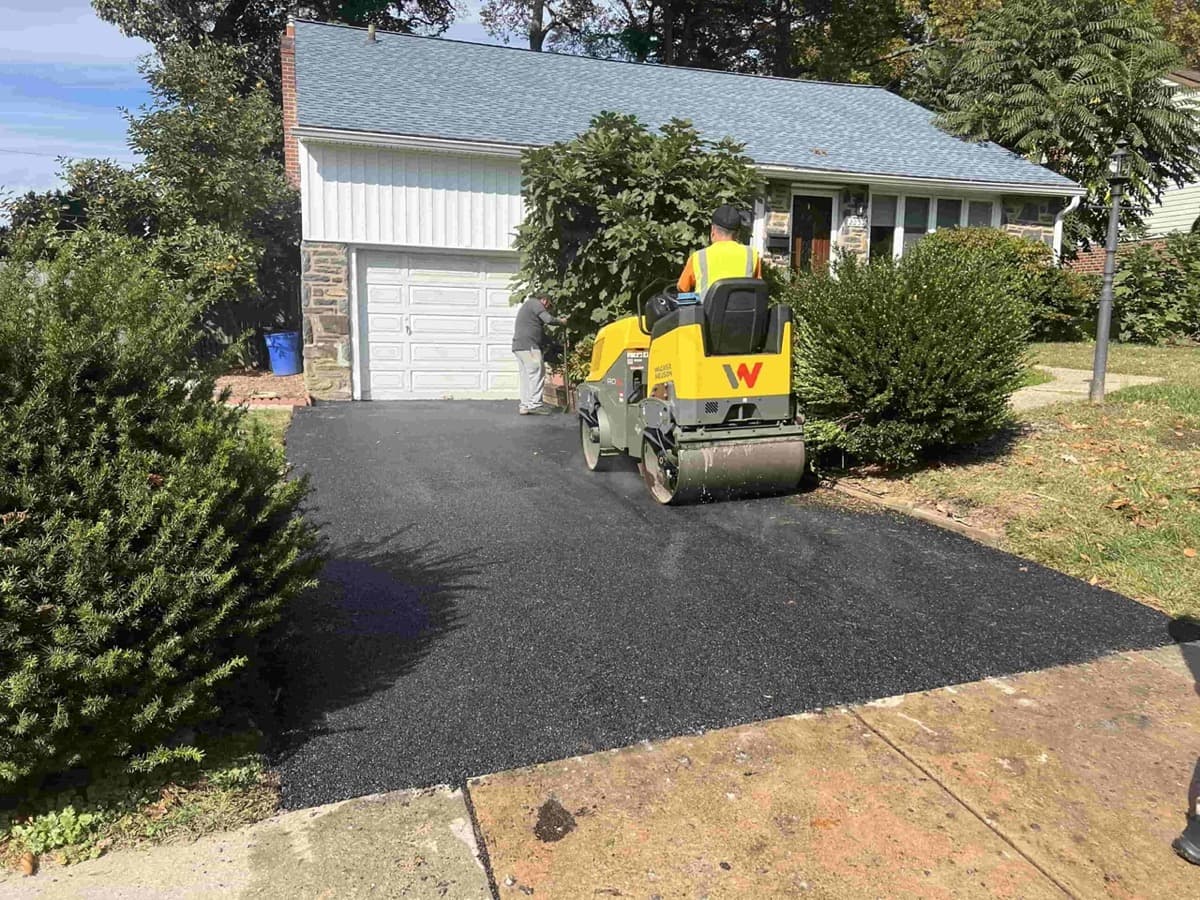
Infrared patching uses radiant heat panels to soften the existing asphalt to roughly 325 to 350°F. The crew rakes it, adds fresh hot mix as needed, and recompacts it with a vibratory roller. Because the patch fuses with the surrounding pavement, there are no cold joints or seams for water to get into.
Can you patch asphalt in winter in Ohio?
Only temporarily. Hot-mix plants close for the winter, so cold patch is used to keep potholes safe until spring. A permanent hot-mix or infrared repair should follow once temperatures are back above 50°F.
Why Do Patches Fail So Often in Central Ohio?
Most patches fail for one of two reasons: the wrong material was used, or the real problem was underneath. Water is the enemy. It gets into a seam or a crack, freezes, expands about 9 percent, and pries the patch loose. Central Ohio sees dozens of freeze-thaw swings every winter, so a patch with open edges doesn't stand a chance. All State Paving has been repairing driveways, parking lots and private roads across Central Ohio since 1979, and the fix that lasts is the one that seals out water and addresses the base.
How Do the Three Patching Methods Compare?
| Method | How it works | Typical life | Best for |
|---|---|---|---|
| Cold patch | Pre-mixed material packed into the hole | One to two seasons | Winter emergencies only |
| Infrared patching | Existing asphalt heated, reworked and recompacted with fresh hot mix | 8–15 years | Potholes, raised or sunken spots, seams on a sound base |
| Saw-cut removal and replacement | Damaged area cut out with clean edges and replaced with new hot mix | 8–15 years | Larger damaged areas and spots with base problems |
When Is a Patch Not Enough?
If a pothole keeps coming back in the same spot, the base underneath has failed. Filling it with cold patch alone is exactly why repairs "come back within a season or two." A proper base repair means:
- Saw-cutting clean edges around the damaged area.
- Removing the failed asphalt and soft base material.
- Rebuilding the base with compacted aggregate.
- Installing new hot-mix asphalt and compacting it to match the surrounding surface.
If cracking and failures cover a large part of the surface, it may be time to compare overlay vs. replacement instead of patching piece by piece. Our post on asphalt repair vs. replacement walks through the warning signs.
What Should You Do About a Pothole This Winter?
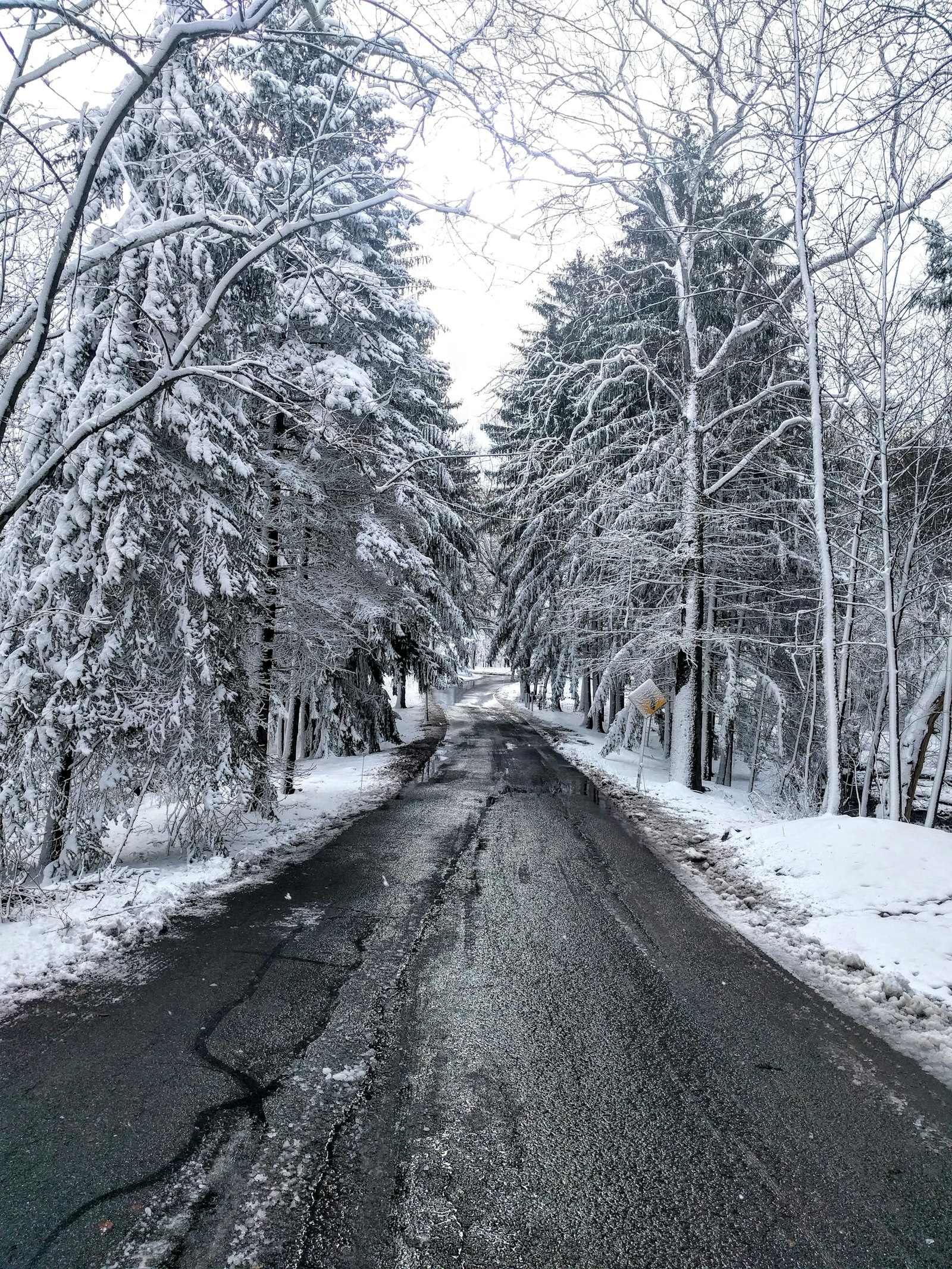
- Make it safe. Mark it, and fill it with cold patch if it's in a drive lane or walking path.
- Keep water moving. Clear snow away from the damaged area so meltwater doesn't pool in it.
- Write it down. Photo and note every problem spot over the winter.
- Book the permanent fix for spring. Once temperatures hold above 50°F, schedule infrared or saw-cut hot-mix repairs.
Learn more about our asphalt repair services. For commercial properties, see our parking lot paving work. Ohio's road agency, ODOT, fights the same freeze-thaw battle on state routes every year.
Frequently Asked Questions
How long does cold patch last?
Cold patch is a temporary emergency fix. It may hold for one to two seasons, but it's meant to keep a pothole safe until a permanent hot-mix or infrared repair can be made.
Is infrared patching better than cutting out and replacing?
Both last about 8 to 15 years. Infrared is ideal for potholes and seams on a sound base because it leaves no cold joints. Saw-cut replacement is better when the base under the patch has failed and needs to be rebuilt.
Why does my pothole keep coming back?
Usually because the base underneath is soft or wet and only the surface has been filled. The fix is a base repair: cut it out, rebuild the base, and install new hot mix.
Is patching cheaper than resurfacing?
Yes. Patching sits below resurfacing and replacement in cost. Targeted repairs make the most sense when damage is limited and the rest of the surface is in good shape.
Should I sealcoat after patching?
Sealcoating protects the whole surface, including new patches, but it isn't a repair on its own. It can't fix cracks, potholes or base failures. Repair first, then seal.
Got potholes or failing patches? Contact All State Paving or call 1-800-568-9954 for a free repair assessment.
Need Paving Services?
Contact All State Paving today for a free estimate on your project.
Recent Posts
- Asphalt Patching in Ohio: Which Patch Actually Lasts?November 21, 2026
- How Wide Should an Asphalt Driveway Be?November 18, 2026
- How Thick Should an Asphalt Driveway Be in Ohio?November 14, 2026
- How Much Does an Asphalt Overlay Cost in Central Ohio?November 11, 2026
- ADA Parking Lot Striping in Ohio: Requirements, Layout & ComplianceAugust 3, 2026
- Private Road Paving in Ohio: A Property Owner's GuideJuly 27, 2026
- How Often to Sealcoat Asphalt in Ohio: A Contractor's ScheduleJuly 20, 2026
- Asphalt vs. Concrete Driveways in Ohio: Which Is Better?July 13, 2026
- Best Time to Pave Asphalt in Ohio: Season & Temperature GuideJuly 6, 2026
- Asphalt Paving in Delaware, Ohio: Costs, Timeline & What to ExpectJune 29, 2026
- Parking Lot Paving Cost in Central Ohio: 2026 Price GuideJune 22, 2026
- 5 Benefits of Asphalt Paving for Central Ohio Property OwnersMarch 15, 2026
- Asphalt Repair vs. Replacement: How to Know Which Your Ohio Pavement NeedsFebruary 28, 2026
- Asphalt Maintenance for Ohio Winters: Freeze-Thaw, Salt & Spring CareJanuary 10, 2026
- Commercial Paving in Ohio: A Business Owner's GuideDecember 5, 2025
- Why Seal Coating Is Critical for Central Ohio AsphaltNovember 20, 2025
- How to Choose the Right Paving Contractor in Central OhioOctober 12, 2025